

Grace & Courtesy at MANH: Growing Social Responsibility Through Everyday Practice
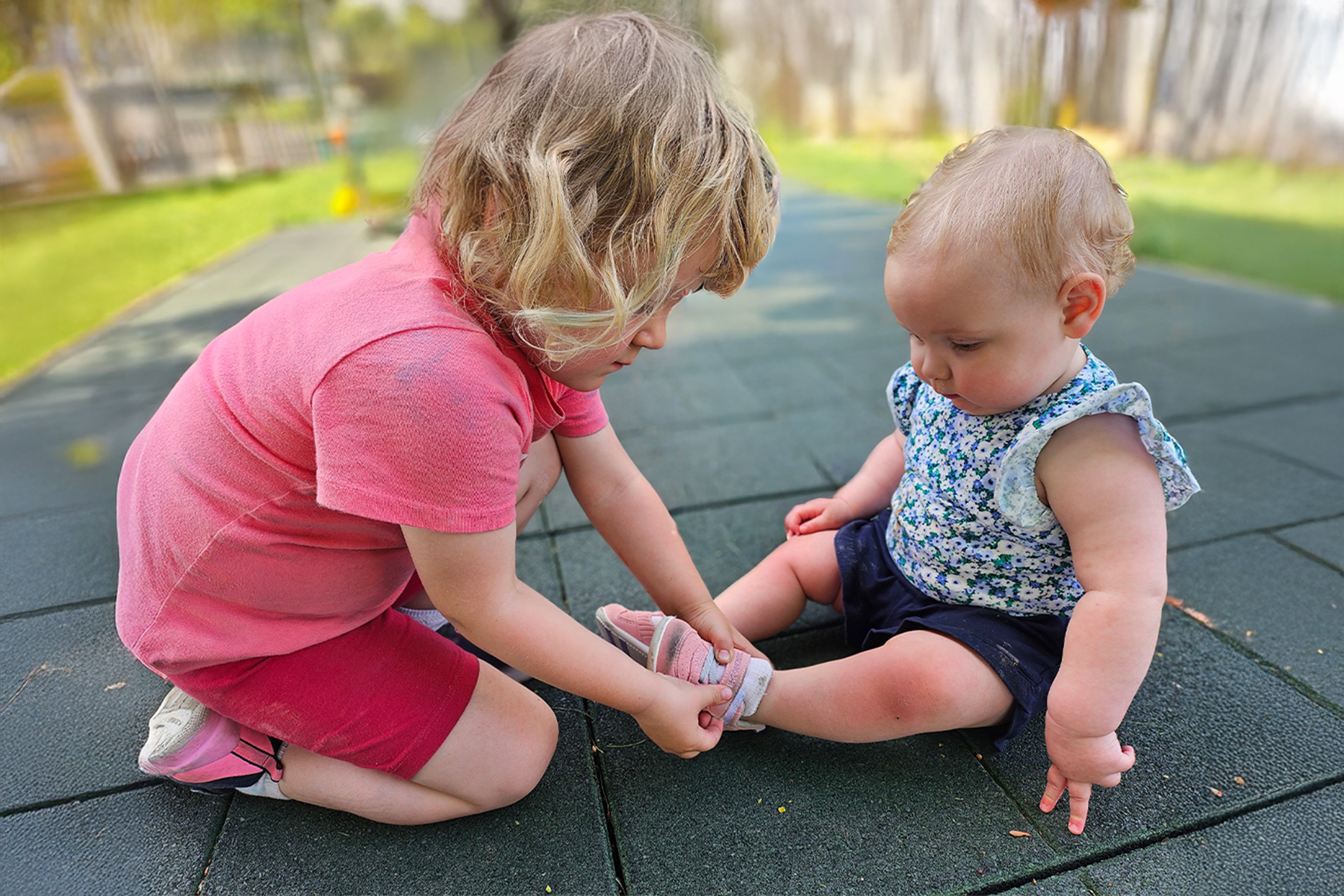
At MANH, grace and courtesy are not simply “good manners”—they are a vital part of how we teach children to live with care, respect, and responsibility in a community. In Montessori education, these lessons are woven into the daily life of the classroom through direct instruction, purposeful practice, and the steady role modeling of adults. Over time, they help foster one of our most meaningful Montessori outcomes: social responsibility.
As a community-centered school, we believe courtesy is one of the most visible ways we show care for one another. It helps children recognize that their actions have an impact—and that they have the power to make their classrooms, friendships, and school community stronger and more welcoming. Even our youngest friends understand this.
Infants: Early Seeds of Empathy
Some of the most beautiful examples of grace and courtesy are the ones that happen naturally, without fanfare, because they arise from genuine concern for another person. One of my fondest memories in the infant room is a moment that captured this perfectly.
Two older infants were cleaning up after lunch at their low sink. One child had sauce on her face. Without being prompted, her friend—just a little older—wet her hand at the sink and gently wiped her mouth. It was such a simple gesture, and yet it reflected something profound: awareness of another person’s needs, tenderness, and an instinctive desire to help.
In Montessori, we don’t rush past moments like these. We recognize them as early signs of empathy and community-mindedness—traits that will continue to grow as children move through each level of our school.
Toddlers and Primary: Respect for Work, Space, and Community
In our toddler and primary classrooms, grace and courtesy take on an even more intentional shape. Children practice learning how to move through shared spaces thoughtfully and how to honor the work of others.
For example, the children know to walk around a friend’s rug rather than step on it. This small but consistent practice teaches respect, boundaries, and awareness: “Your work matters, and I will not interrupt it.”
In practical life, children also learn to take responsibility for the environment around them. When using water, spills are expected—and so is the response. If a spill occurs, the child dries it, “for the next person.” This phrase carries so much meaning. It reinforces the idea that we care not only about ourselves in the moment, but about the people who will come after us.
Even activities like arranging flowers offer lessons in courtesy and community care. We arrange flowers not for personal attention, but because beauty in the classroom is something we create for everyone. In Montessori, children learn that a thoughtfully prepared space is a gift to the community—and that they can contribute to that gift.
Elementary: Service and Social Responsibility
As children grow, so does their capacity for purposeful contribution. In elementary, students often express grace and courtesy through service—real responsibilities that make a meaningful difference in the day-to-day rhythm of the school.
One cherished example of this is the weekly coffee work at our East Campus. Elementary students grind the coffee by hand as a form of practical life work, then offer and serve it to the adults in the building. This is grace and courtesy in action: thoughtful work, done with care, for the benefit of others. And as anyone on staff can attest—we all appreciate it!
Adolescent Community: Hospitality, Leadership, and Real-World Practice
In adolescence, grace and courtesy become highly visible in leadership and community life. Anyone who has visited the monthly adolescent breakfast café has seen this firsthand. Students greet guests, organize responsibilities, serve others, and offer hospitality with a maturity that often surprises people who don’t yet know them.
During their community meetings, which the students lead, adolescents share reflections from the week and affirm one another for their help and the virtues they practice. These moments build a culture of respect, accountability, and recognition. Students learn that being part of a community means noticing others—and expressing gratitude and encouragement openly.
When people hear that I teach adolescent students, they sometimes ask, “How do you do it?” And I always tell them the same thing: you would be surprised by how respectful and courteous they are. Their grace and courtesy are not accidental—they are built through years of intentional practice, consistent expectations, and adults who believe in their capacity for responsibility.
Social Skills: Direct Lessons that Lead to Real Reflection
At MANH, grace and courtesy are supported not only through classroom routines, but also through explicit teaching. Our Social Skills class addresses needed lessons in relationship-building, communication, and responsibility within a group.
Just last week, our 5th and 6th graders participated in a class centered on what it means to be a good friend. They explored which behaviors reflect strong friendship and which behaviors can hurt others. The discussion was rich, honest, and full of meaningful realizations. Many students experienced true “aha” moments as they reflected on their choices and how they show up in relationships.
These lessons matter deeply. They give children language for empathy, tools for navigating conflict, and confidence that they can grow socially—just as they grow academically.
The Power of Adult Role Modeling
In Montessori, we understand that children learn not only from what we teach, but from what we do. We are always modeling respect—whether or not we realize it—and our children are always watching.
They watch us when we feel tired, frustrated, or overwhelmed. They notice how we speak to others when things aren’t going smoothly. They observe how we handle mistakes, disagreements, and moments of stress.
We strive to be strong models of grace and courtesy, but we are also human. And perhaps one of the most powerful lessons we can offer is what happens when we fall short. When we make a mistake and show how to own it, apologize, and make amends, we teach children that courtesy isn’t about perfection—it’s about responsibility, humility, and repair.
Grace and courtesy are not one-time lessons. They are life skills formed through daily repetition, meaningful community membership, and the shared understanding that every person here matters.
A Culture of Care
At MANH, grace and courtesy help create something truly special: a school culture where children learn to care for their environment, their peers, and themselves. In every classroom—from infants to adolescents—children practice the belief that community is built through small acts of respect, kindness, and responsibility.
These practices aren’t extras. They are essential. They are the foundation of social responsibility, and they represent the heart of what it means to learn and grow in a Montessori community.
At MANH, we are proud to nurture children who not only think deeply and learn joyfully—but who also move through the world with grace, courtesy, and care for others.