
Middle & High School (Erdkinder)
Caring Community
The Erdkinder Program at Montessori Academy of North Hoffman (Grades 7–12) offers adolescents a learning environment rooted in respect, responsibility, and real-world engagement. Divided into Lower Erdkinder (Grades 7–9) and Upper Erdkinder (Grades 10–12), the program recognizes that adolescents are undergoing rapid intellectual, emotional, and social growth.
Students are invited to take an active role in their education, engage in meaningful work, and reflect on their place in the world. They are guided by Montessori-trained educators who understand the needs of adolescents and who nurture students not just as learners—but as thoughtful, capable, and purpose-driven young adults.
Growth and Development
Adolescence is a time of identity formation, social exploration, and moral development. Maria Montessori envisioned the Erdkinder (“child of the earth”) environment as a space where teens could experience real-life work, reflect on ethical questions, and connect academic learning with the world around them.
How We Nurture Key Areas of Development
🌐 Interdisciplinary Thinking and Academic Depth
Subjects are woven together through themes, projects, and “Great Ideas of the Western World,” rather than isolated into siloed classes.
Core academics include history, literature, mathematics, science, grammar and writing, world languages, and cultural studies—all presented through integrated, meaningful inquiry.
Students engage with long-term research, original thought, and synthesis across disciplines, preparing them for college-level work.
🔎 Independent Work and Personal Responsibility
Students are responsible for managing their own time, meeting deadlines, and creating high-level work plans.
Projects often span weeks or months and require sustained effort, collaboration, and critical reflection.
Individual choice in topics fosters motivation and investment, while real accountability encourages follow-through and pride in one’s work.
💭 Ethical Awareness and Moral Reasoning
Monthly morals and ethics meetings give students and parents a platform to explore real-world dilemmas and personal values.
Through interdisciplinary studies and service projects, students examine the ethical dimensions of history, science, economics, and human behavior.
The 52 Virtues framework provides a foundation for daily decision-making, dialogue, and reflection.
🤝 Social Connection and Community Involvement
Erdkinder students learn from and alongside peers, mentors, and field experts through collaborative work and community service.
Apprenticeships, classroom leadership, and mentoring younger students build communication skills, empathy, and teamwork.
Each student contributes to maintaining the classroom and participating in shared responsibilities, fostering a deep sense of belonging.
💼 Real-World Application and Practical Experience
Students rotate through small-scale enterprises—operating cafés, gardens, sewing studios, or service ventures—where they apply academic knowledge to real-life situations.
These apprenticeships teach financial literacy, economics, customer service, and entrepreneurial thinking.
Students are immersed in budgeting, profit/loss analysis, supply and demand, and labor dynamics—learning both theory and hands-on execution.
🧠 Self-Knowledge and Future Readiness
Students are given time and tools to reflect on their goals, strengths, challenges, and interests.
Erdkinder offers opportunities for leadership, public speaking, portfolio development, and preparing for life beyond high school.
Whether students transition to university, trade schools, or creative paths, they leave with clarity, confidence, and a strong sense of purpose.
Prepared Classroom Environments
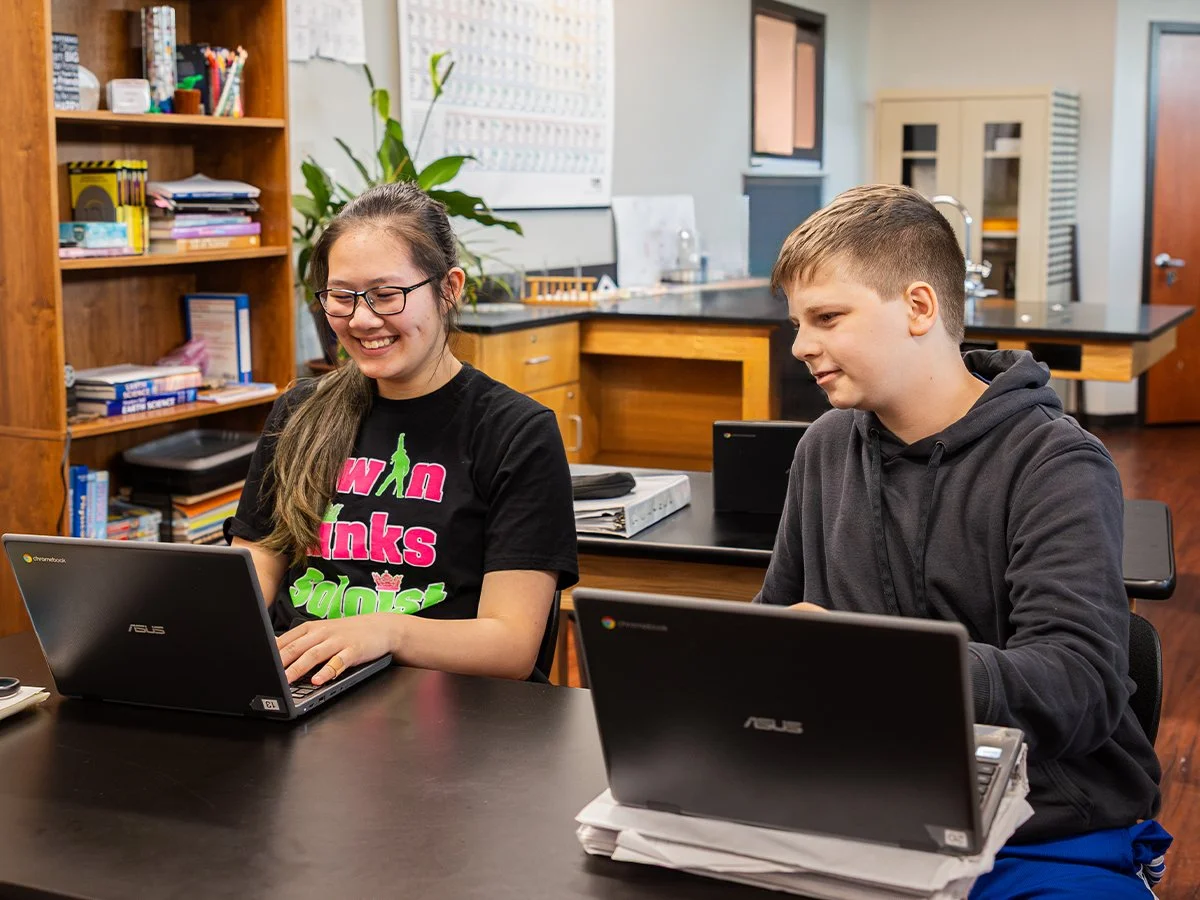
The Erdkinder environment reflects the needs of adolescent learners: spaces for collaboration, quiet reflection, discussion, and creative expression. While academic materials are accessible and well-organized, learning also extends into the kitchen, garden, studio, and community.
Students experience freedom with responsibility in these spaces—planning meals, conducting experiments, building projects, and leading initiatives. The classroom is both a launchpad and a laboratory for real-world learning.
Work Periods and Rhythms
Each day includes sustained blocks of work time, where students dive into in-depth research, discussions, writing, and independent projects. Time is also set aside for physical movement, group reflection, art, and practical tasks such as meal prep and enterprise management.
Learning cycles follow Montessori’s three-period lesson structure:
1 – Presentation: Direct instruction or sensorial experience.
2 – Exploration: Research, application, and creative extension.
3 – Assessment: Demonstration of knowledge through writing, oral presentations, exams, or performances.
This rhythm supports deeper understanding, critical thinking, and long-term retention.
Montessori-Trained Educators
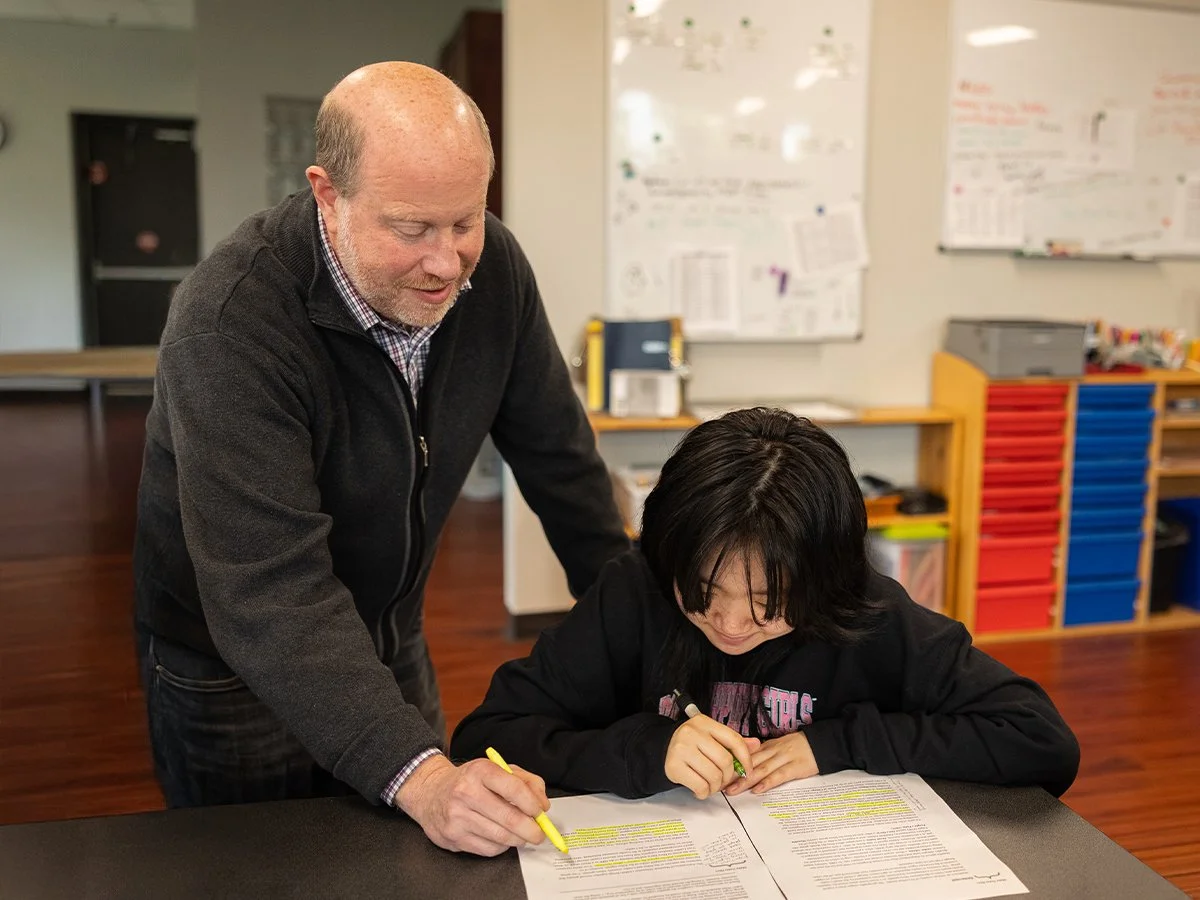
Erdkinder guides are more than subject experts—they are mentors, collaborators, and role models who guide students through the intellectual and emotional complexities of adolescence. Through small-group lessons and individualized coaching, teachers support each student’s academic progress and personal growth. Lessons are adapted to meet varied learning styles, interests, and strengths, encouraging students to take ownership of their learning.
Beyond the Classroom
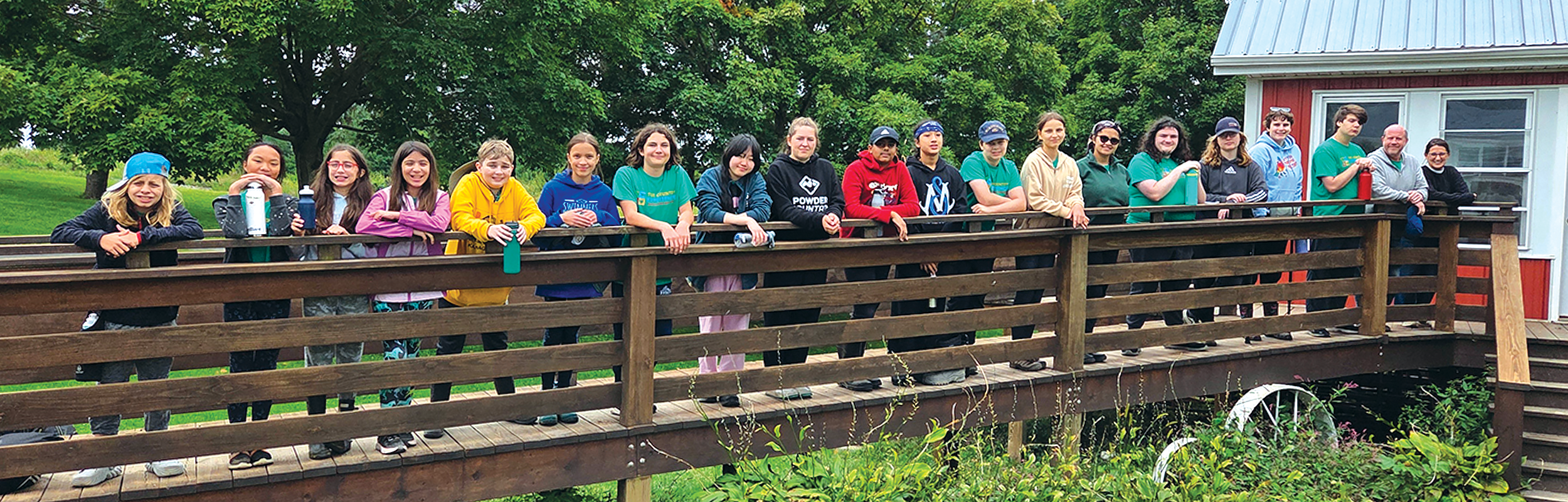
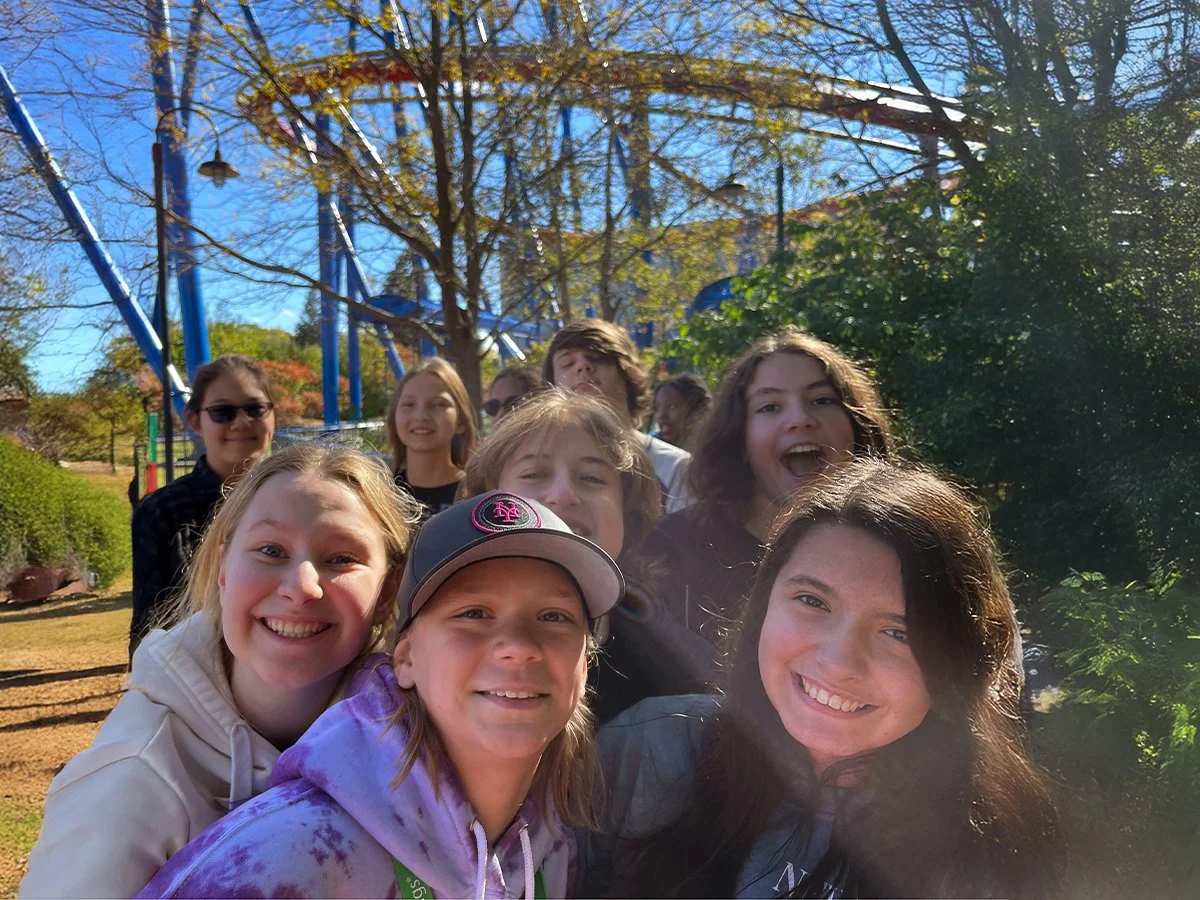
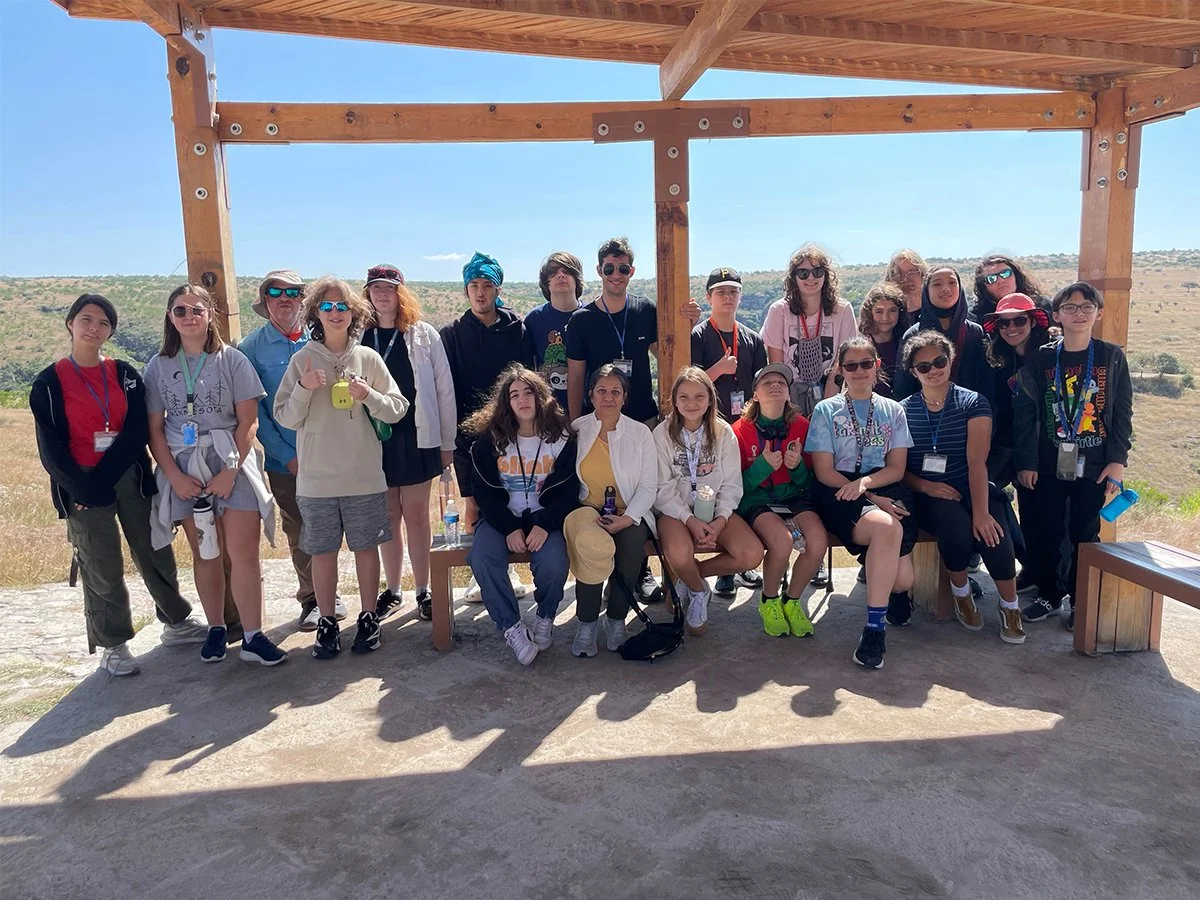
Erdkinder students regularly step beyond the classroom walls. Field studies, multi-day trips, and expert collaborations expand the curriculum and bring learning to life.
Past experiences include:
• International explorations to Mexico and Costa Rica.
• Cultural studies trips to Springfield, IL and historical reenactments.
• Long-term science exploration in nature-based settings.
• Service projects with local organizations like Elgin Outreach Program and Alden Senior Center.
• Internships, volunteer opportunities, and real-world apprenticeships.
Students also contribute regularly to the life of the school by assisting in Primary classrooms and participating in student-led initiatives and events.
Home Partnership
We recognize that adolescence is a time of transition—not only for students, but for families. At Erdkinder, we value open dialogue with parents and guardians. You are welcome to observe the learning process, meet with guides, and explore your child’s academic work and reflections.
Monthly family discussions around morals and ethics provide a unique window into your child’s developing voice, values, and thinking. These conversations help strengthen trust and build continuity between school and home during this pivotal stage.
The Montessori Difference
In a traditional middle or high school, students often move through rigid schedules, passive instruction, and externally imposed goals. In contrast, the Erdkinder experience nurtures independence, initiative, and integrated thinking.
What sets Montessori Erdkinder apart:
• Interdisciplinary learning grounded in curiosity and purpose.
• Meaningful, real-world work through microeconomy and apprenticeships.
• Individualized pacing, planning, and assessment.
• Emphasis on ethics, self-awareness, and contribution to the greater good.
• A close-knit, multi-age community where students are seen, heard, and valued.
Montessori Erdkinder prepares students not just for tests—but for life. They graduate as capable, compassionate, and confident individuals, ready to shape their future with integrity and purpose.