
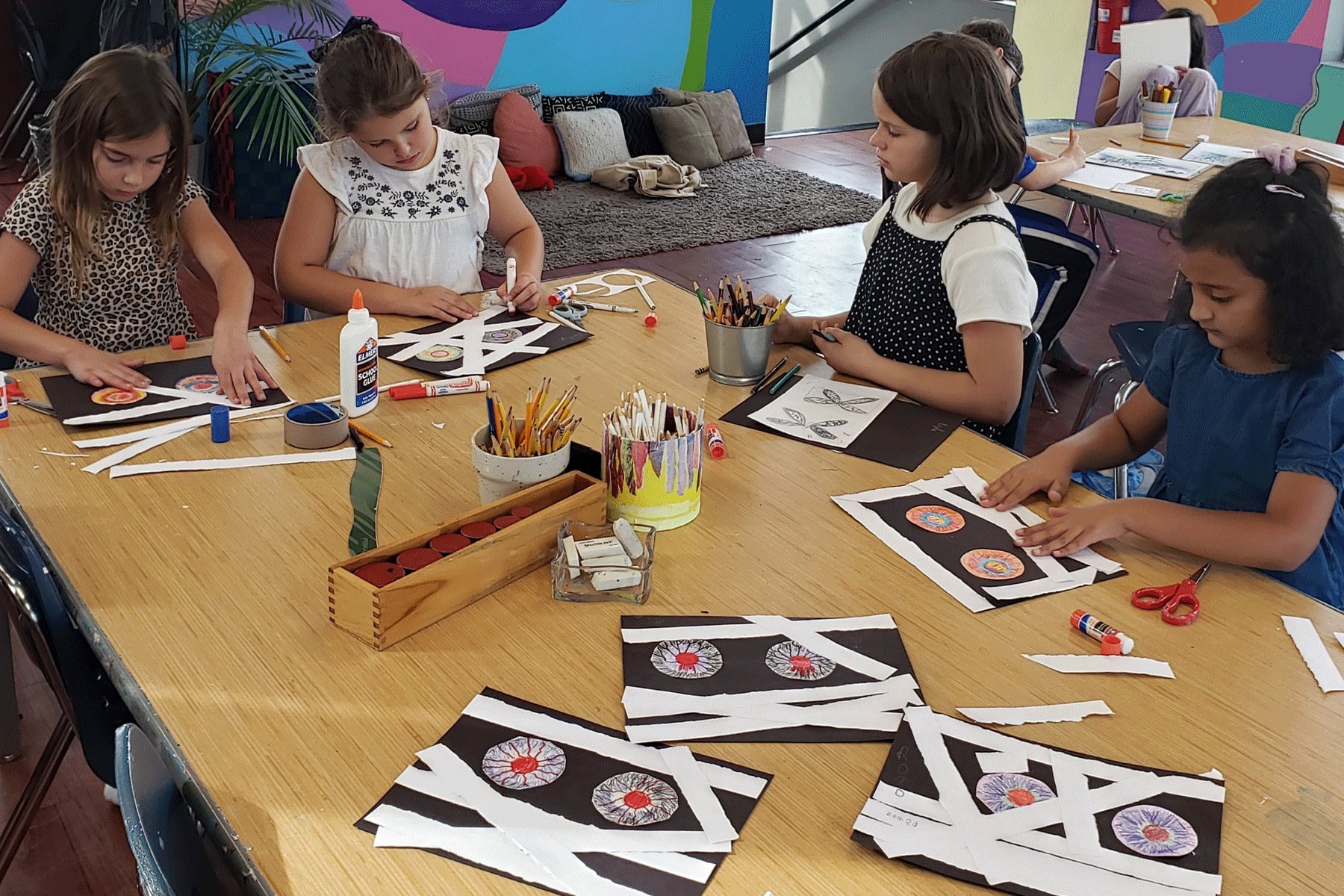
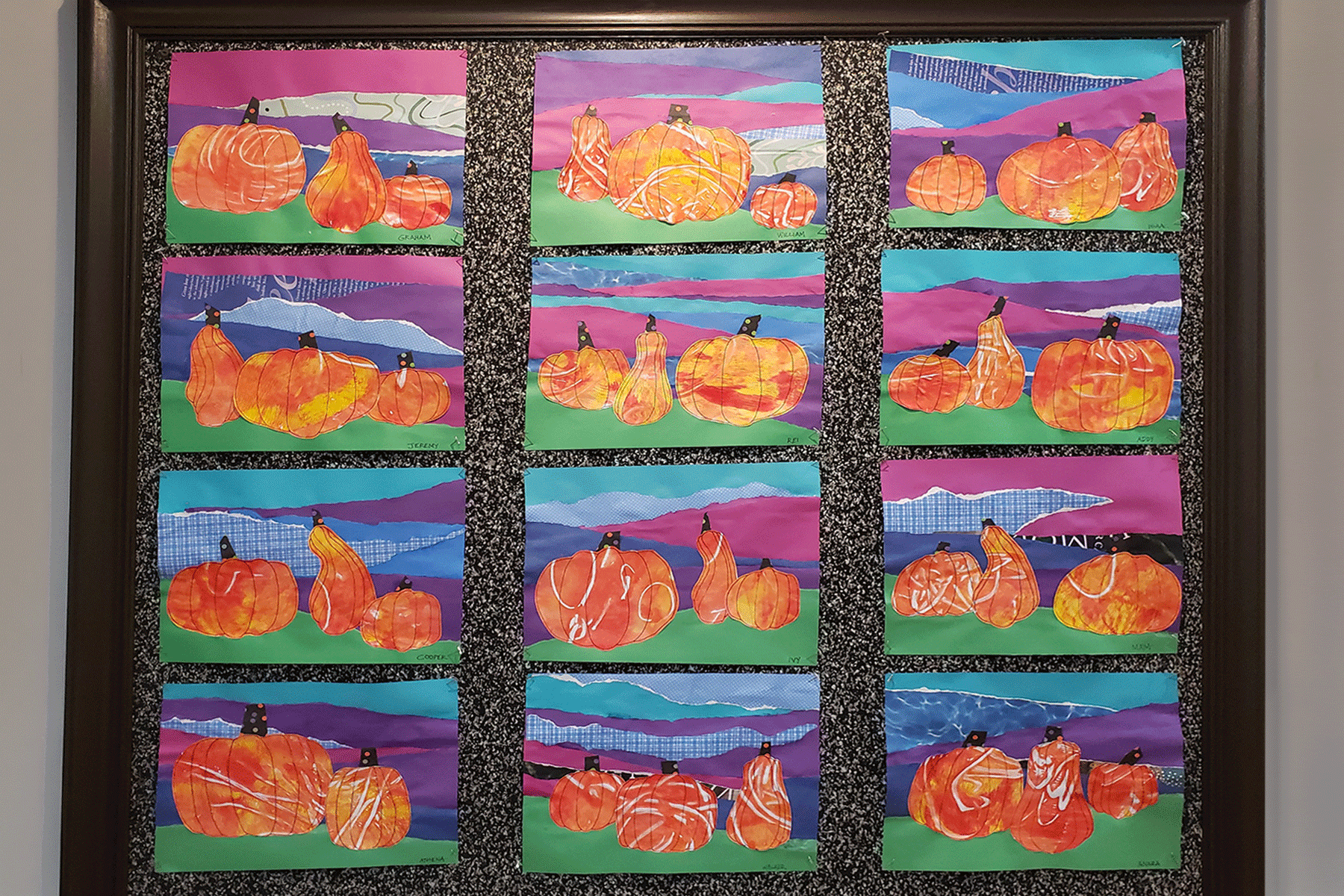
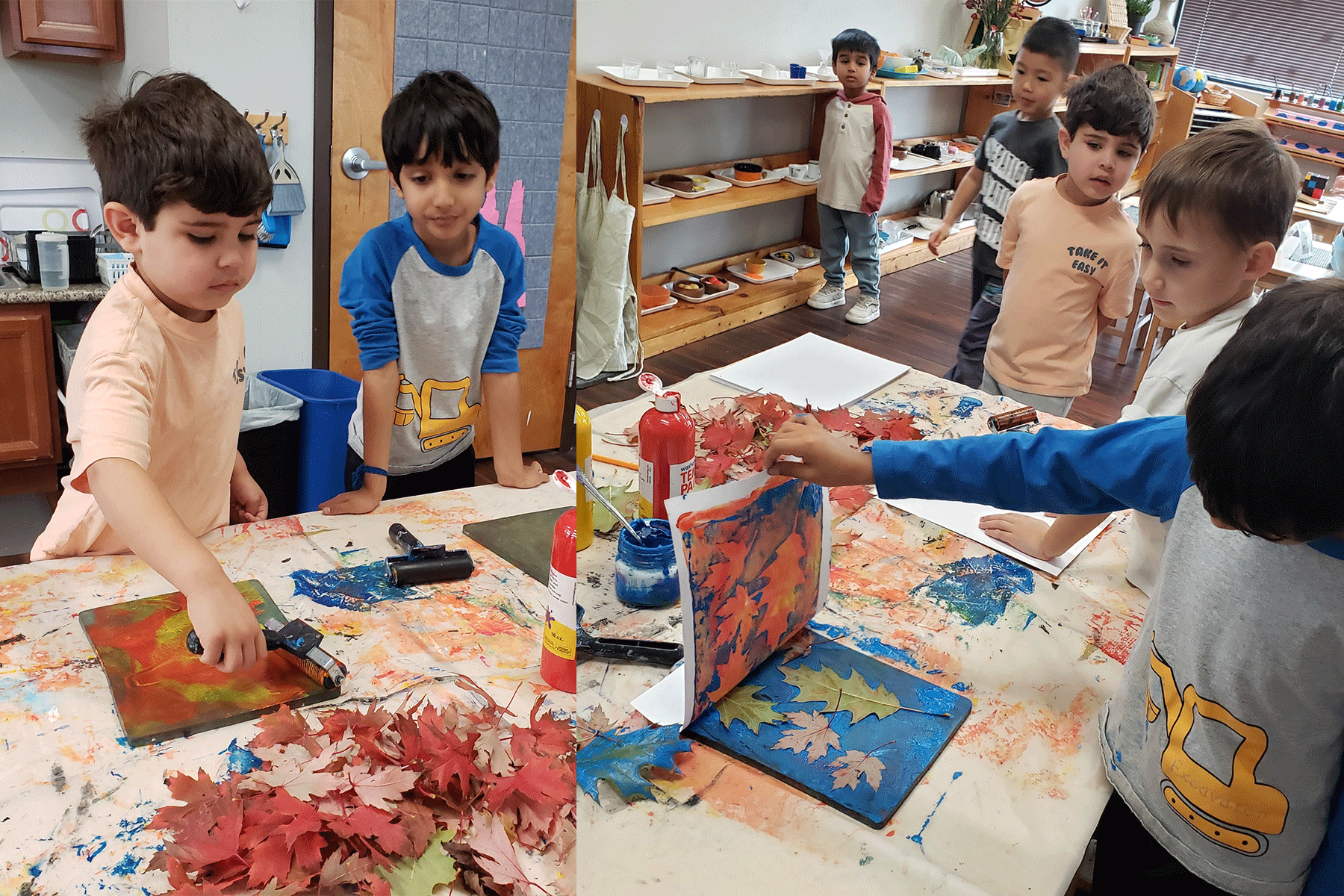
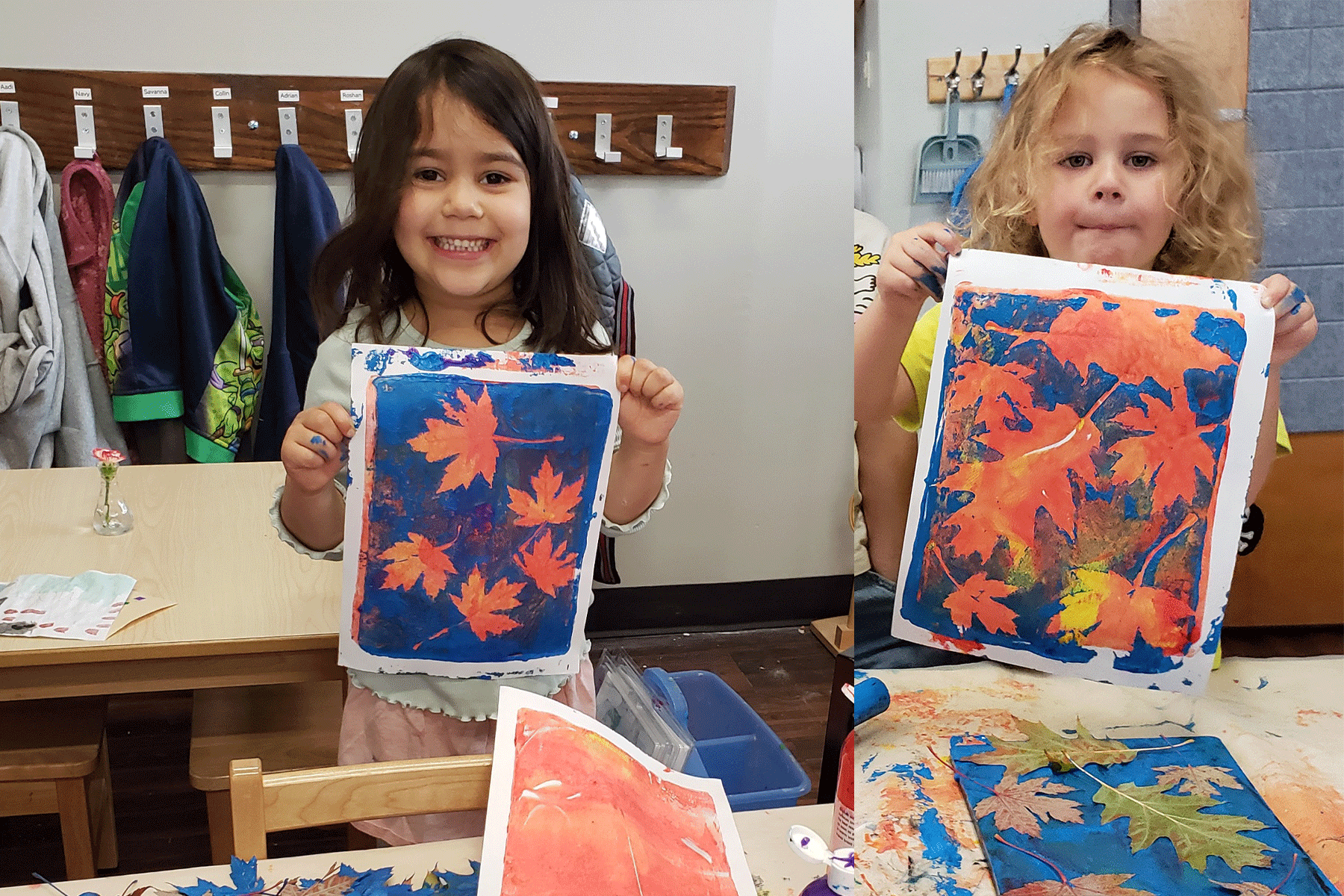
October was a celebration of fall in the art room, and our toddler, primary, and lower elementary students joined each pumpkin and Halloween project with real joy. This month, our young artists turned their attention toward Thanksgiving and began work on art for International Day.
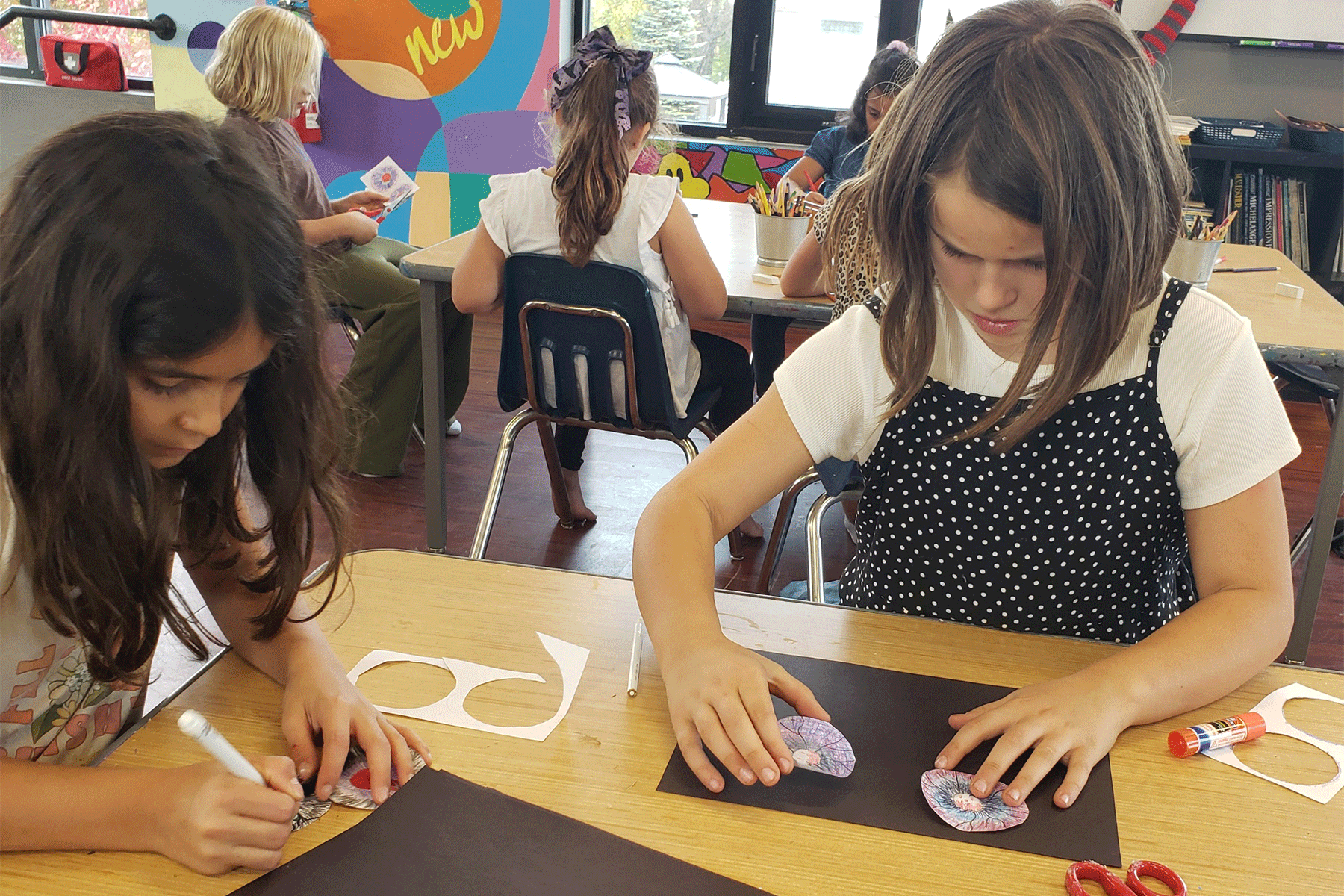
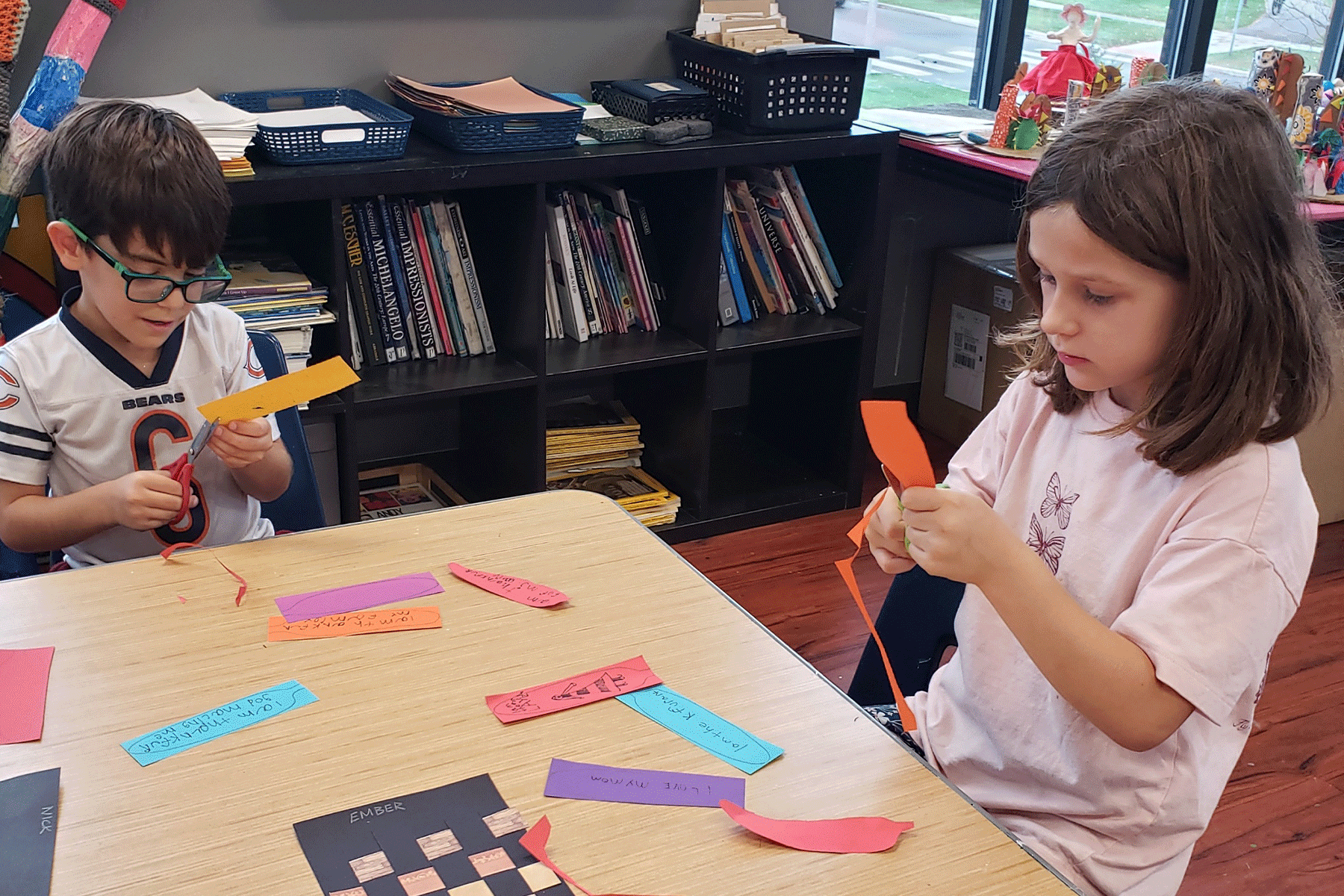
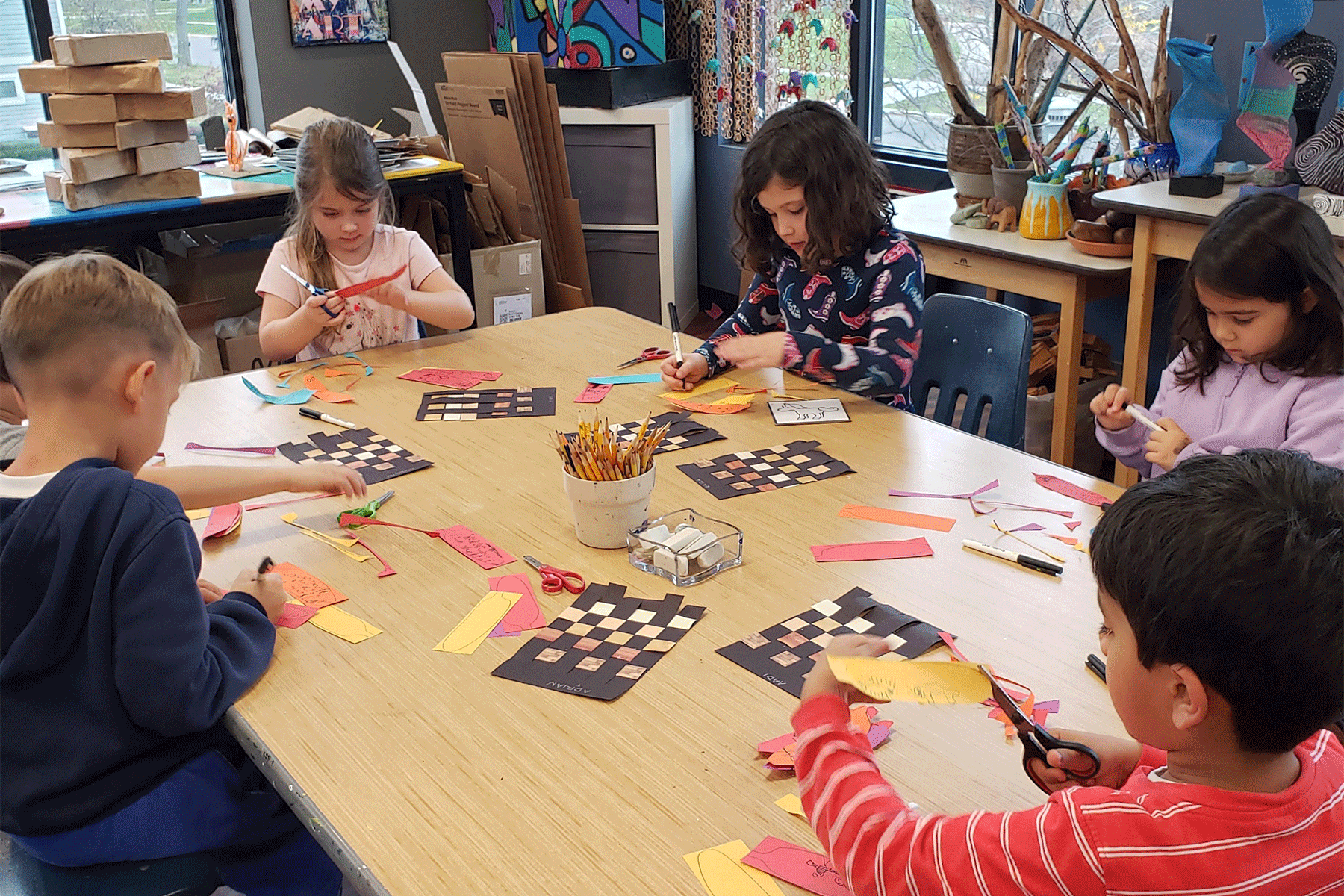
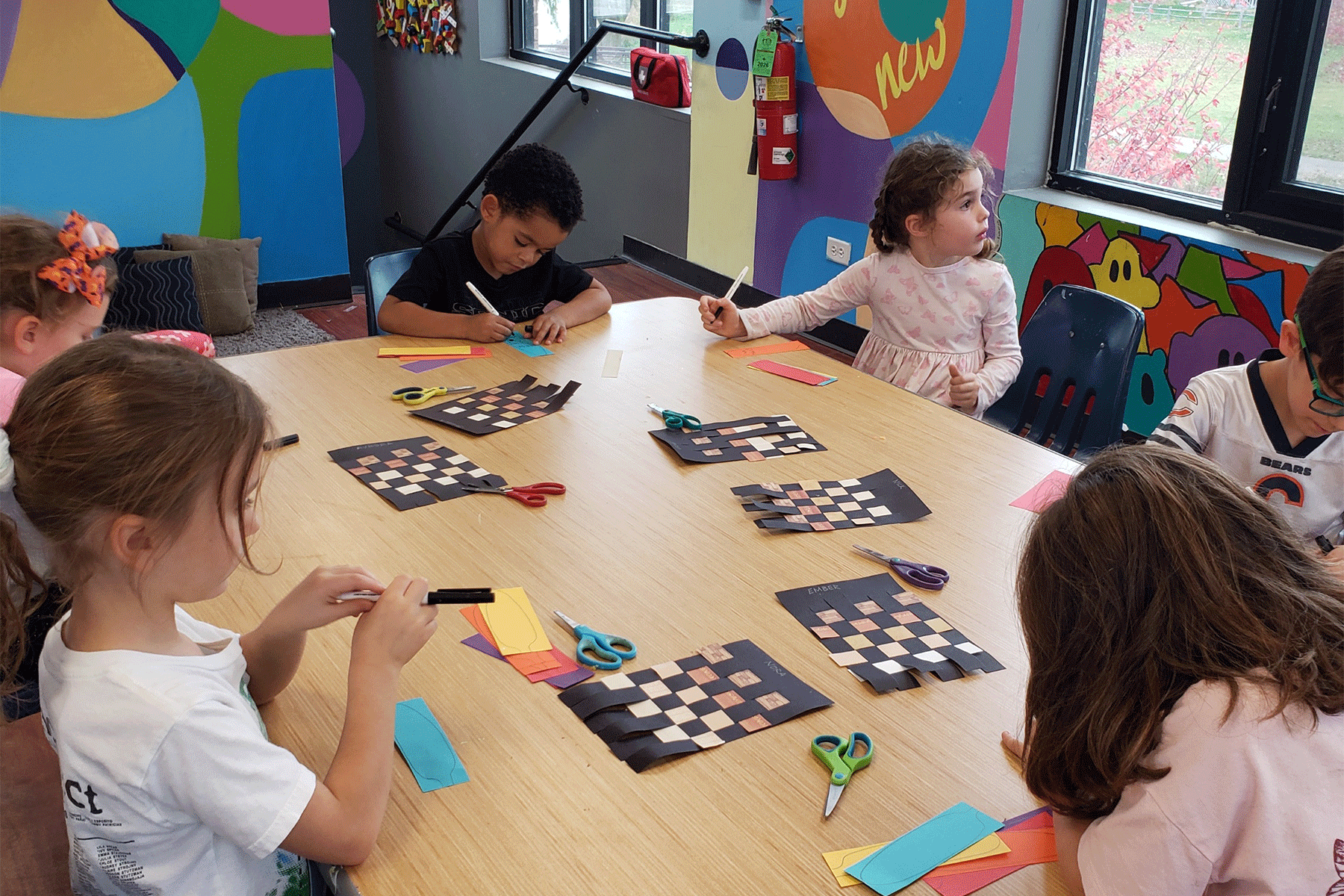
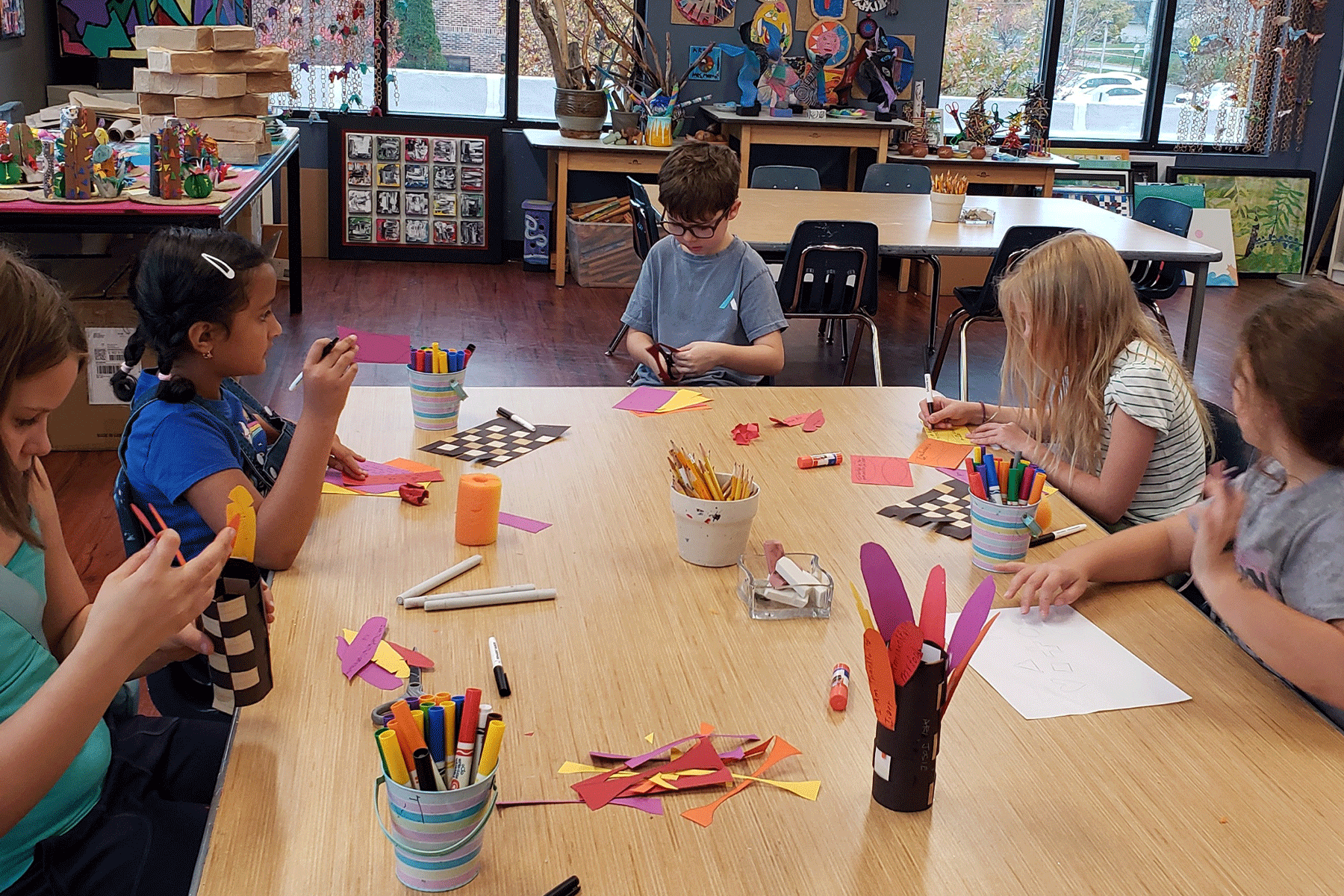
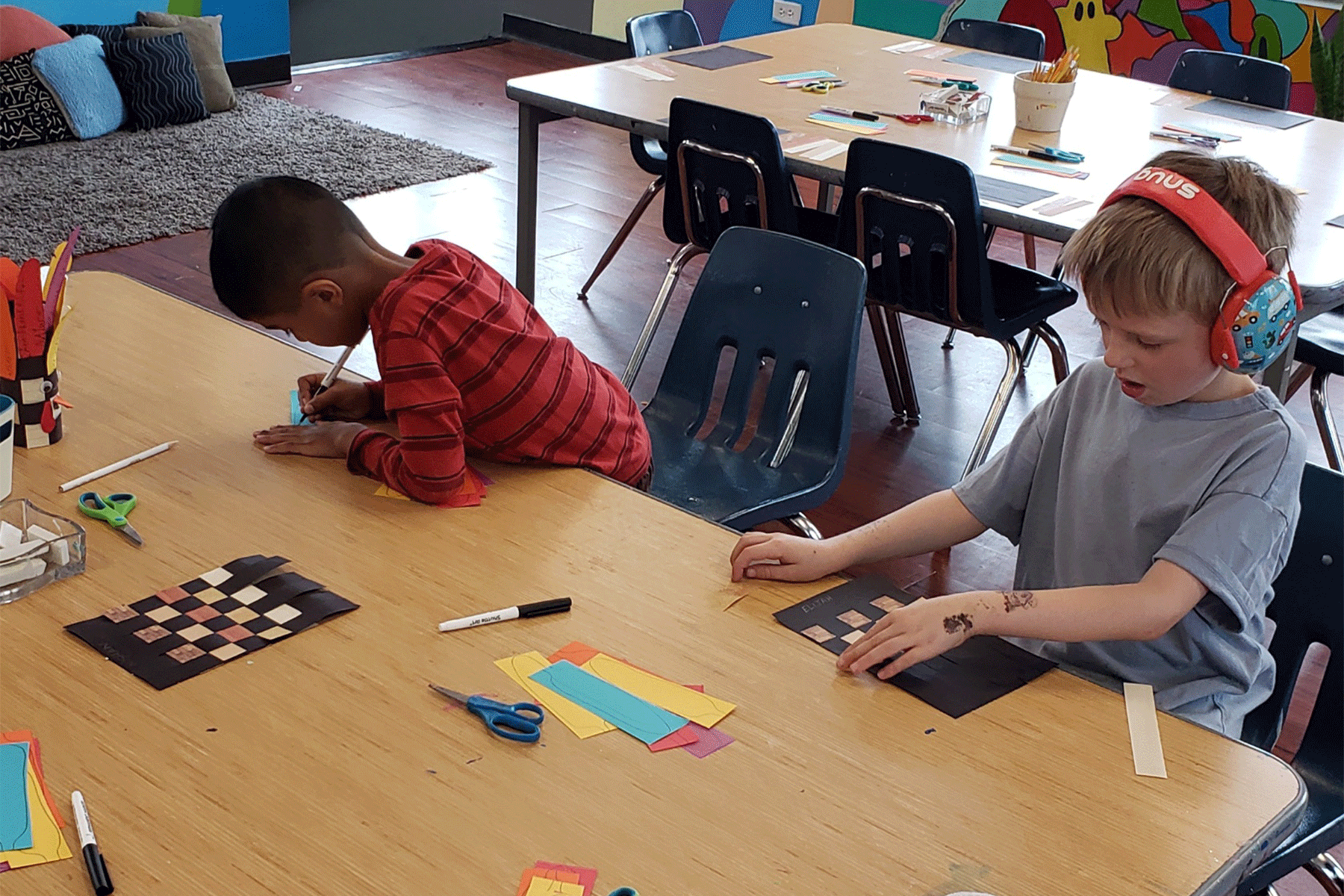
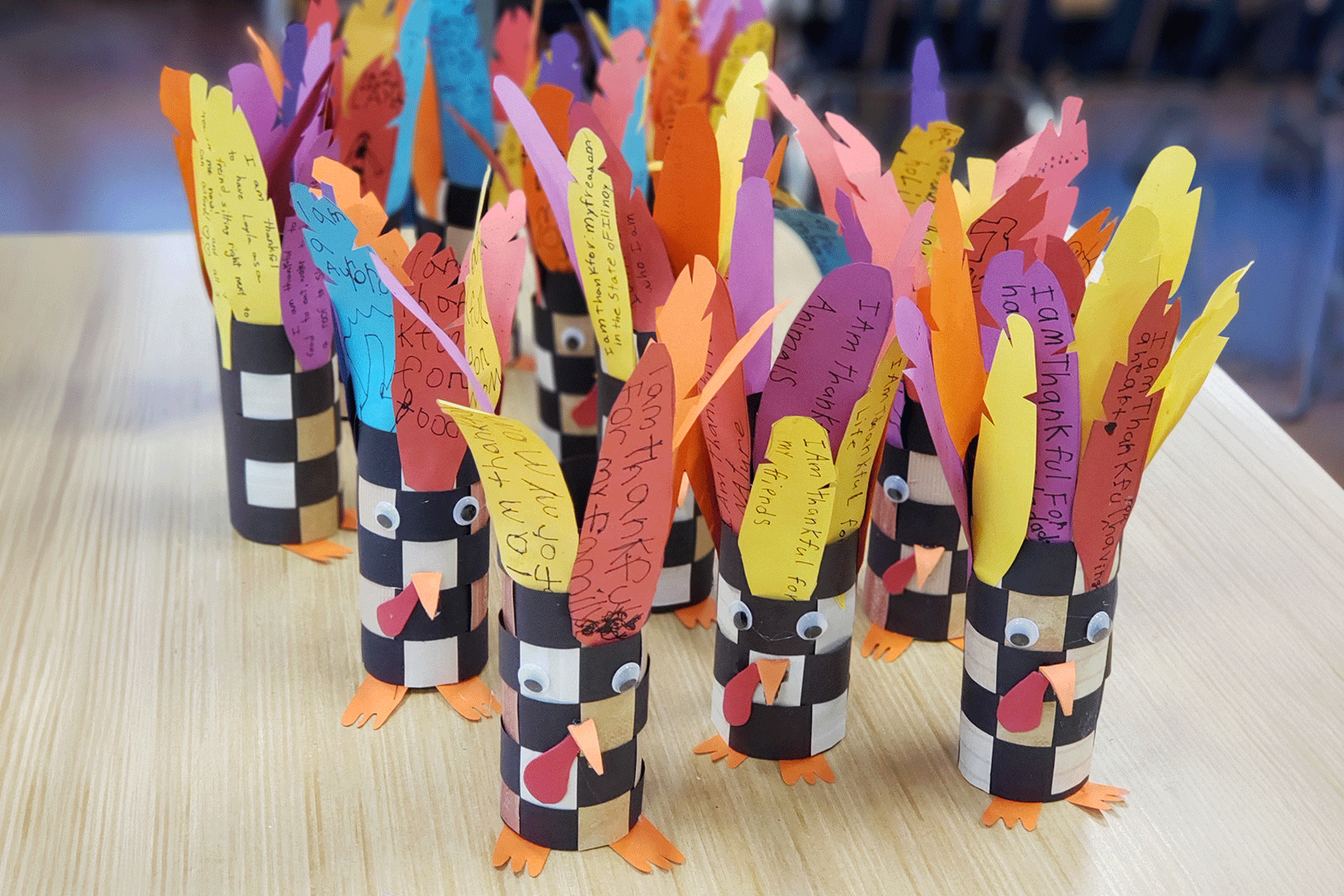
Kindergartners and lower elementary students created three-dimensional turkeys to serve as centerpieces for our annual Thanksgiving feast. Each body began as a paper weaving, a practice that strengthens fine motor control and concentration. The finished weavings were wrapped around sections of foam pool noodle, giving each turkey a sturdy, rounded form. Students then carefully cut feathers, wrote something they are thankful for on each one, and assembled the feathers and remaining features.
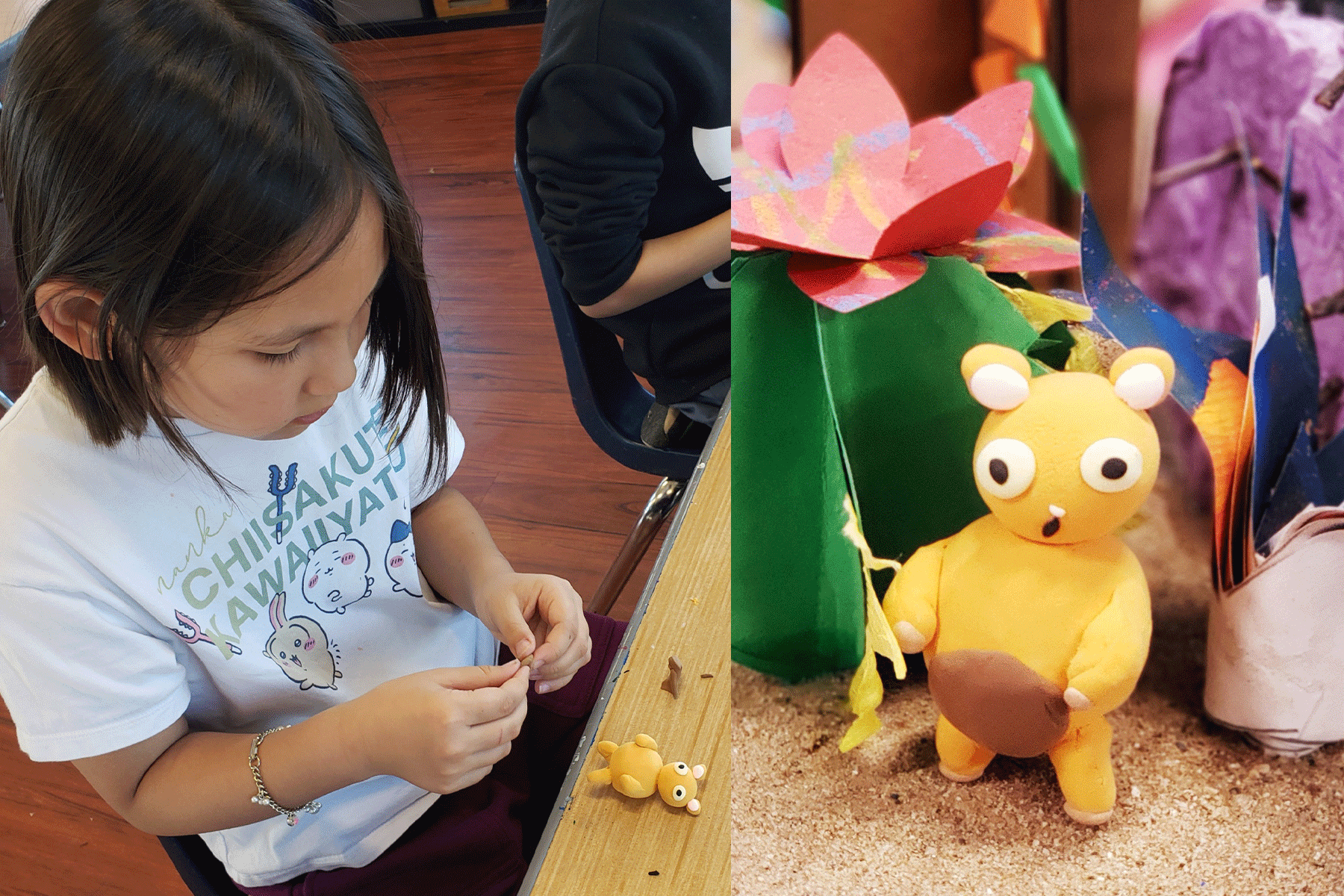
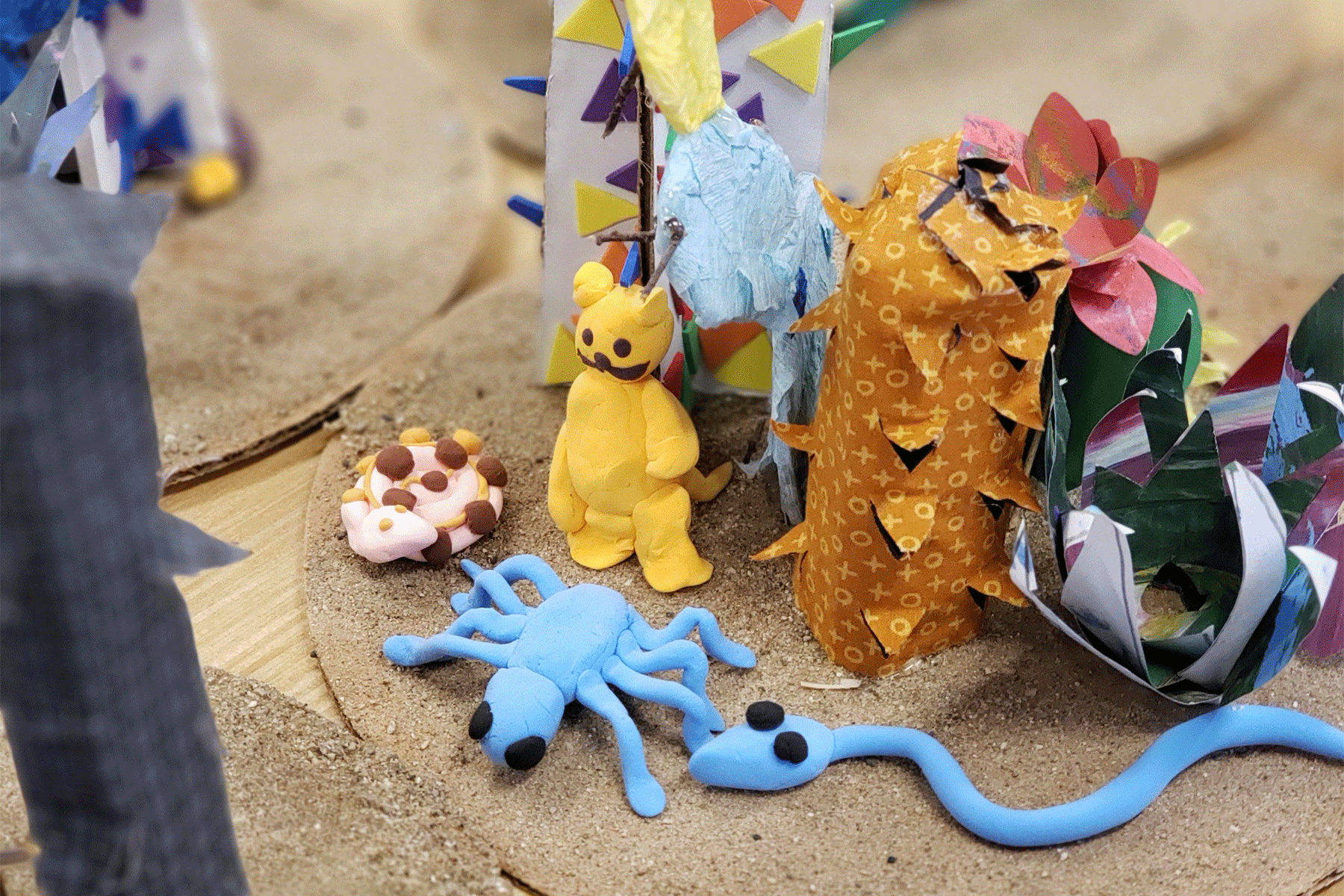
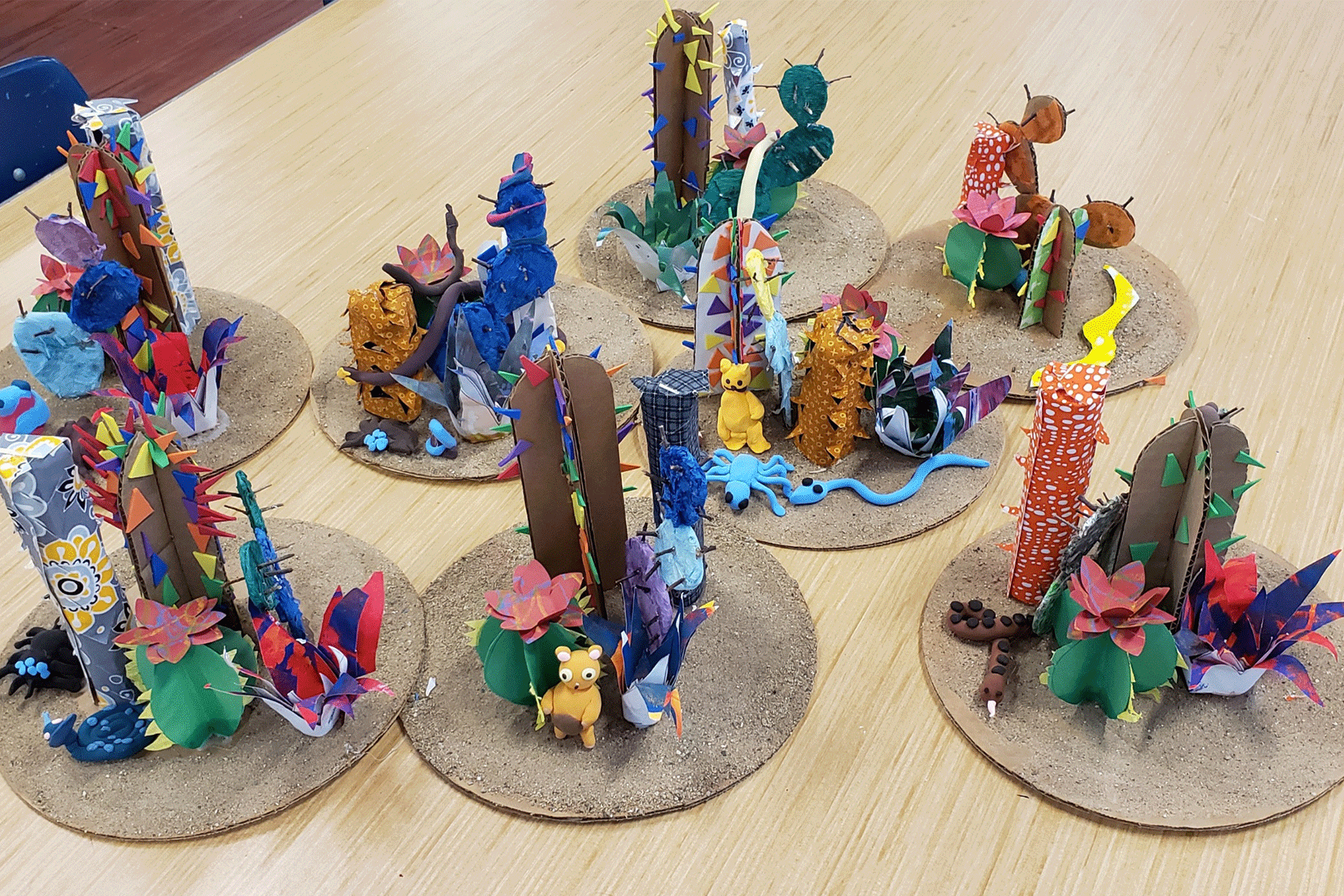
Third graders returned to their desert habitats, cutting and forming a variety of materials into new cacti. They have also begun sculpting animals from modeling clay and are discovering how much patience the medium asks of them. Shaping a small lump of clay into a creature with balanced proportions and fine details means working slowly, stepping back, and adjusting again. Students have started sharing tips with one another, the kind of peer learning that is a quiet strength of a Montessori classroom. The animals are still in progress, and we look forward to sharing them soon.
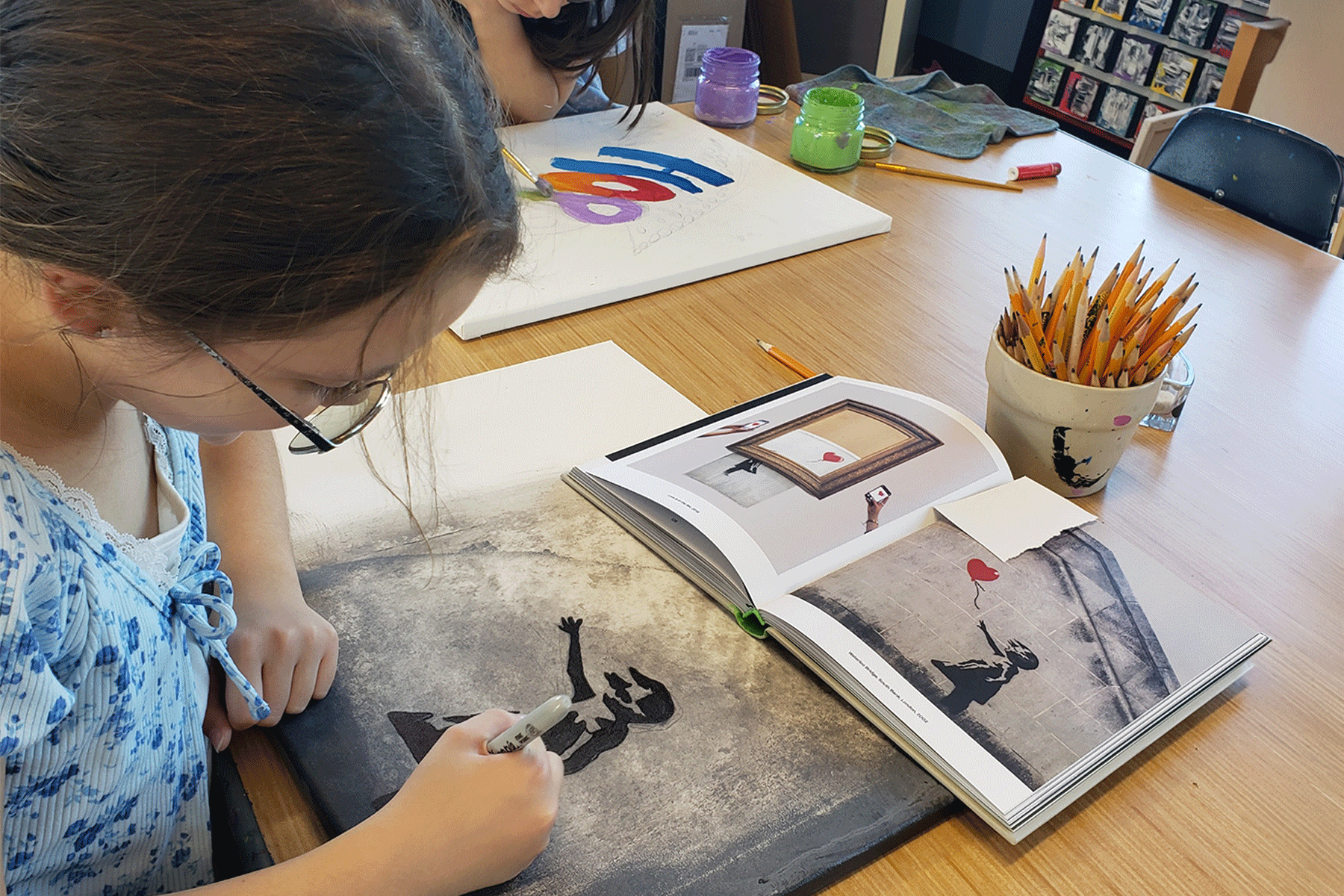
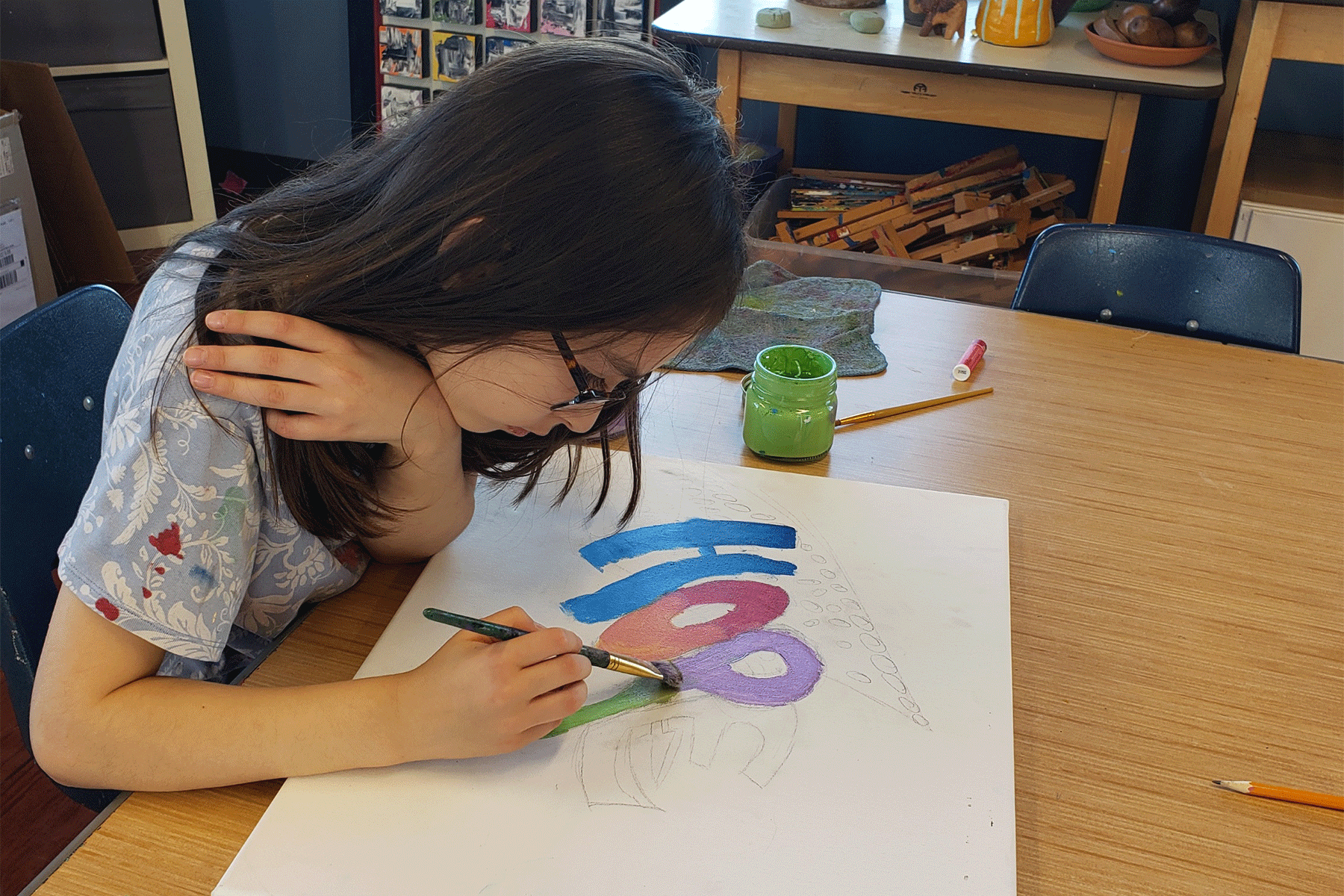
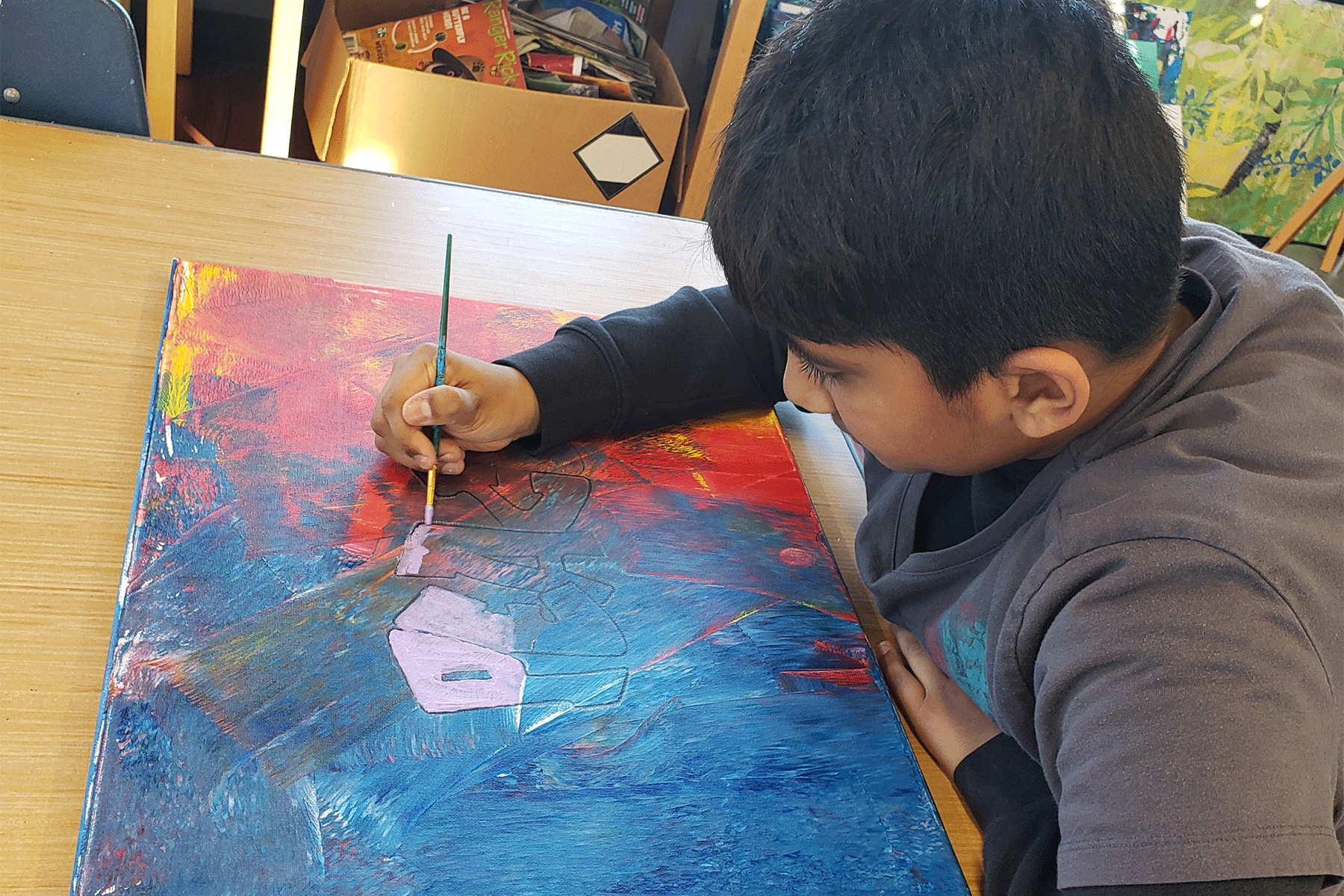
This year some of our students will be learning about England’s customs and culture for International Day. Fourth graders found inspiration in London’s street art. East London neighborhoods such as Shoreditch are known for murals and bold lettering that can change from one week to the next, and graffiti artists often call this expressive lettering “writing.” Students are exploring that approach to letters on small canvases of their own.
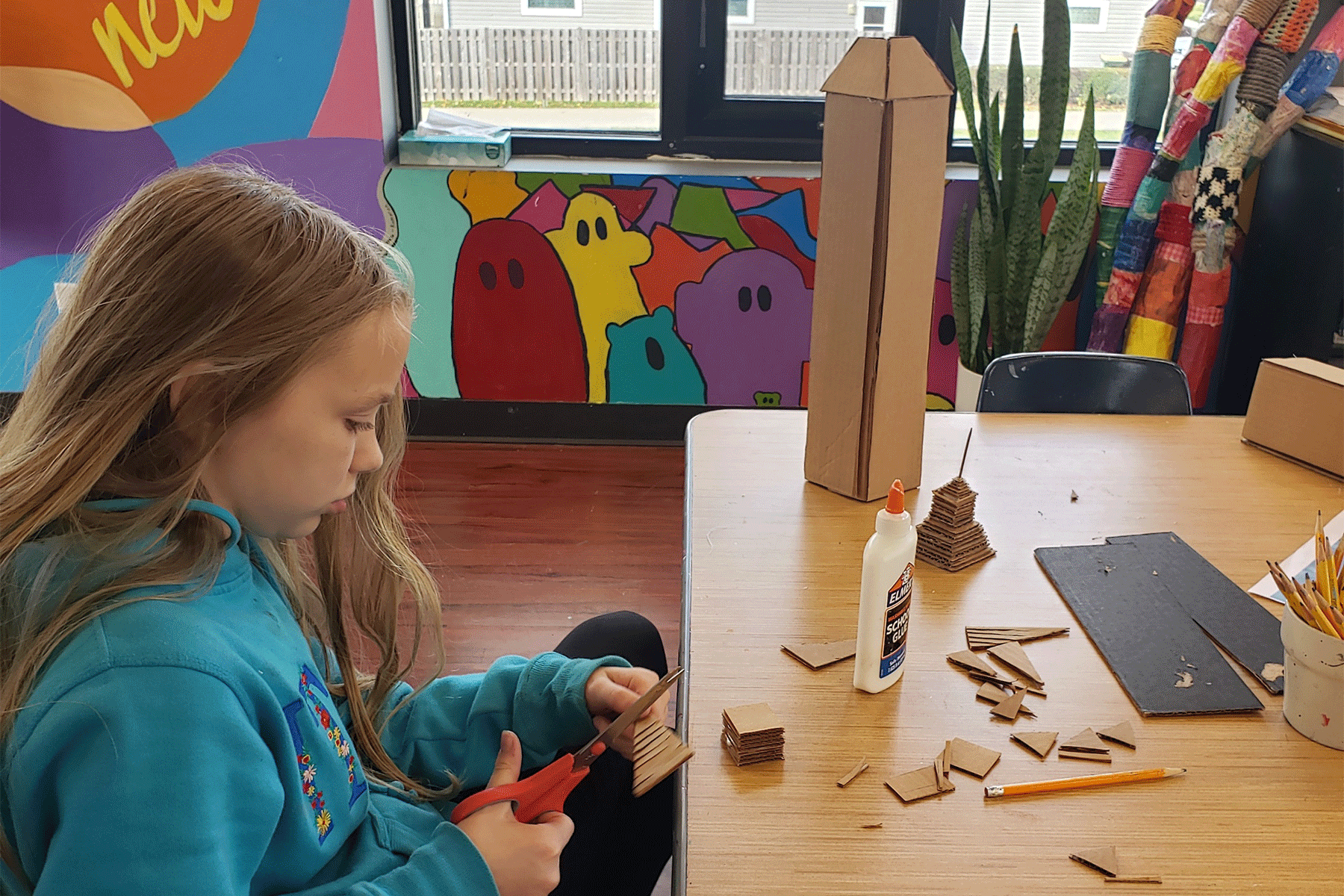
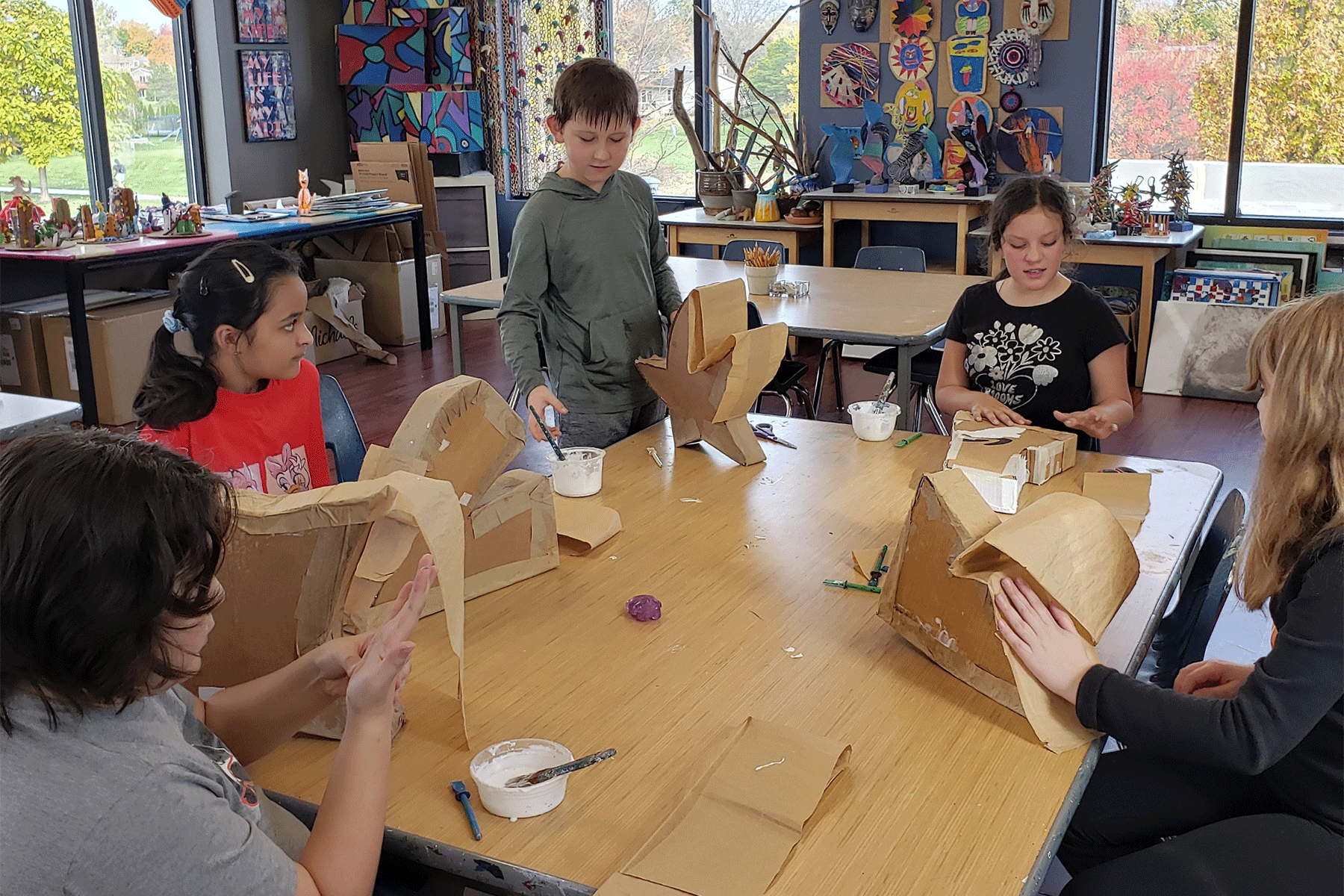
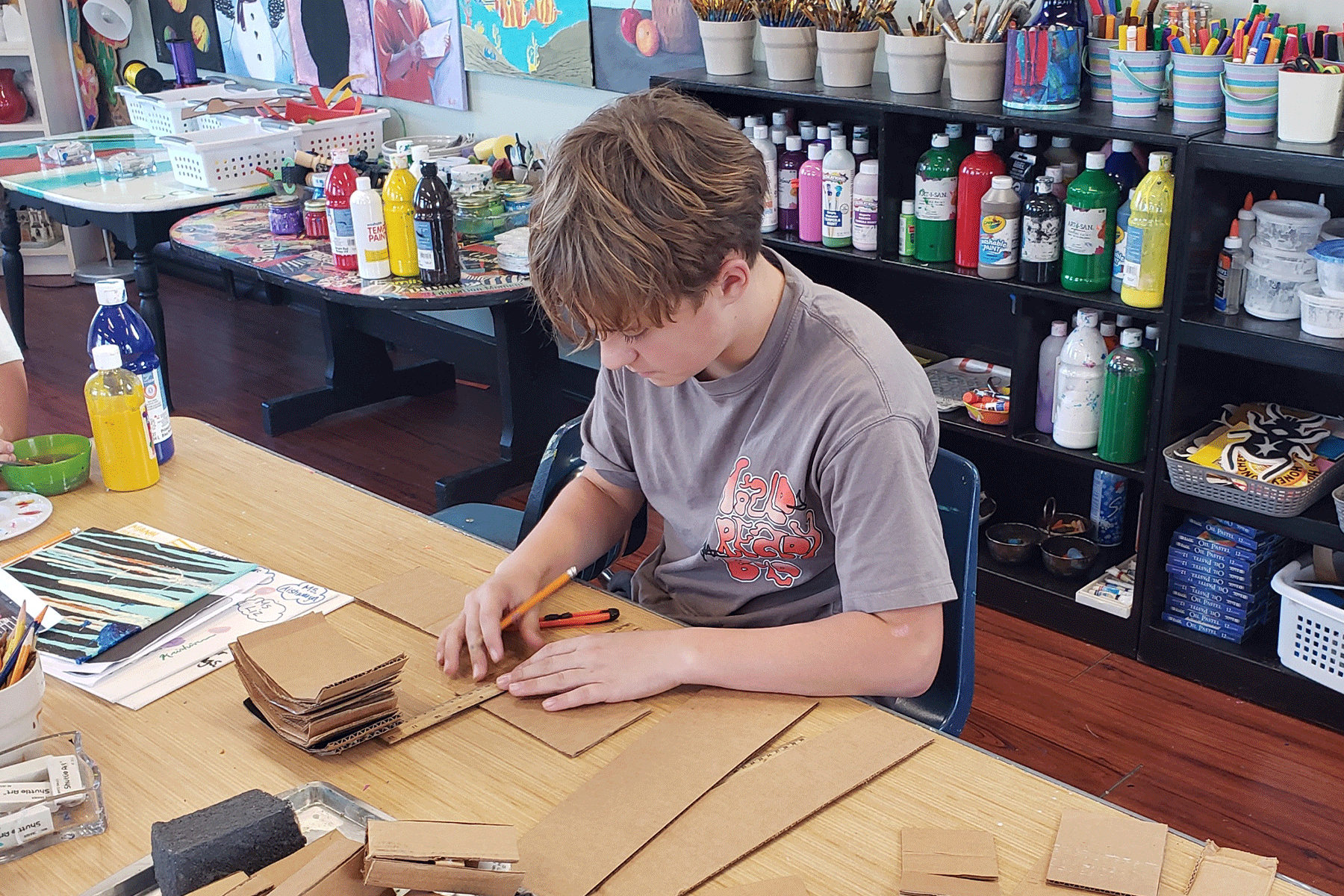
Fifth and sixth graders have gravitated toward sculpture, creating cardboard miniatures of England’s famous monuments and pieces inspired by well-known artists. Recreating a monument in miniature asks students to study a structure closely, work out its proportions at a much smaller scale, and decide which details make it recognizable.
This month’s work shows the patience our students bring to their art, and the generosity they show one another as fellow artists.