

by Dr. Sara Motlagh, Head of School
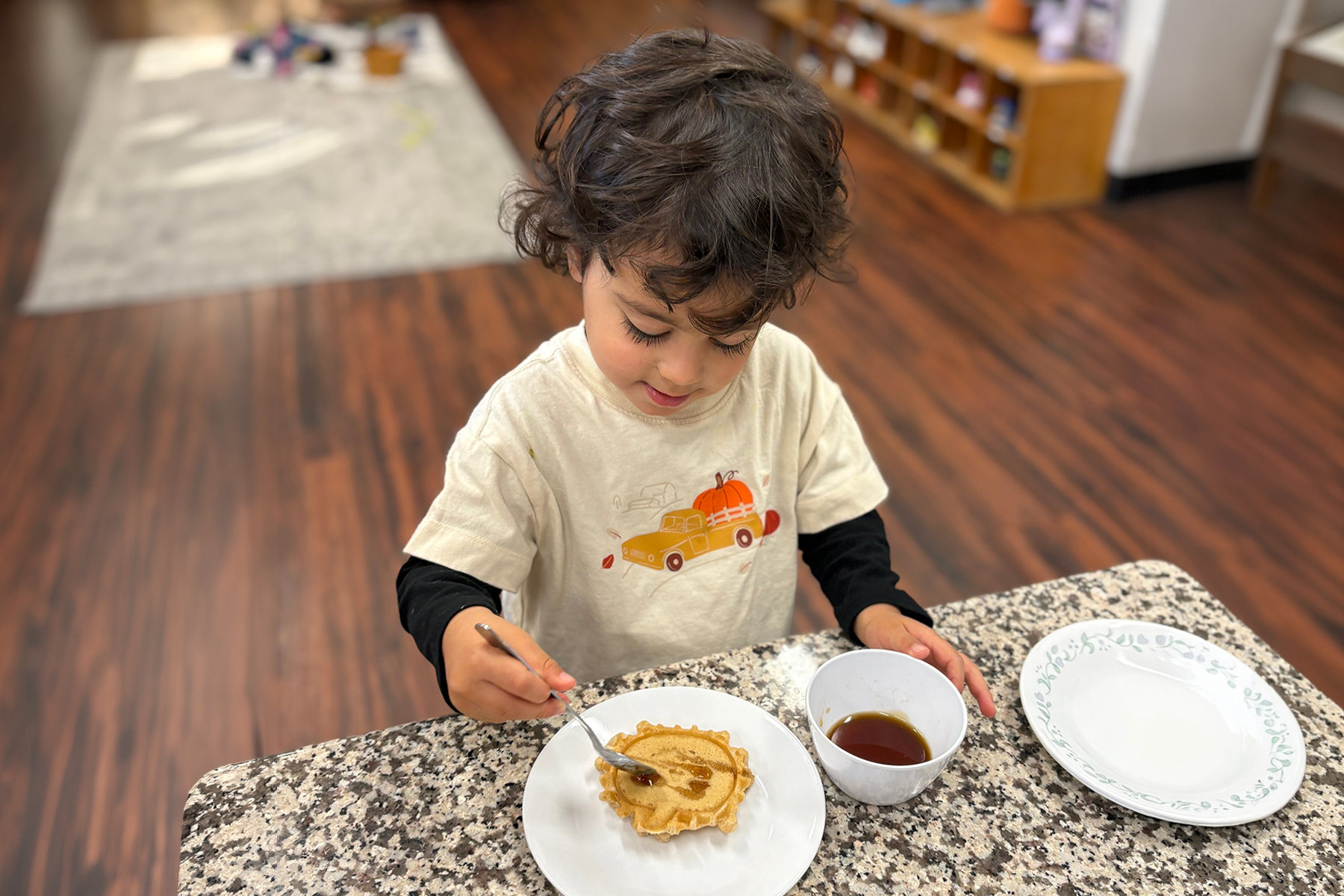
Independence is a cornerstone of Montessori education. When children are given the opportunity to do things for themselves, they develop more than practical skills. They build confidence, self-esteem, responsibility, and a deep sense of capability. Each time children show what they can do on their own, they begin to recognize all that they are capable of accomplishing.
Maria Montessori famously said, "Never help a child at a task at which he feels he can succeed." This simple idea reminds us that our role as adults is to create the conditions that allow children to do things for themselves.
Whether it is putting on their own shoes, dressing themselves, walking into school and their classroom on their own, or working through a challenging activity, children are always watching how the adults around them respond to their growing independence. Even with the best intentions, our actions can either support their development or get in its way.
For our youngest community members, independence begins long before they can dress themselves. When infants have the chance to move freely, rather than spending long periods in bouncy seats, swings, or other restrictive equipment, they strengthen their bodies and explore the world around them. As they grow, opportunities to make choices and engage with their environment continue to build that foundation.
Montessori also reminds us that independence extends beyond physical abilities. She wrote: "The child has to acquire physical independence by being self-sufficient; he must become of independent will by using in freedom his own power of choice; he must become capable of independent thought by working alone without interruption... Any unnecessary help is a hindrance to development."
This philosophy is at the center of the Montessori prepared environment. Through our Montessori training, we learn how to connect children with materials and experiences that invite exploration and purposeful work. When we present materials thoughtfully and give children the freedom to choose their activities, they develop focus, concentration, and the ability to solve problems and think for themselves.
One of the most important ways we support independence is by protecting a child's concentration. When a child is deeply engaged in an activity, we resist the urge to interrupt, offer unnecessary praise, or step in to help. Instead, we observe, trust the process, and give the child the time and space to complete their work. Montessori education carries a deep respect for what children are capable of, and we show that respect through our willingness to trust them.
As parents and educators, it can be hard to step back. It is often quicker and easier to put on a child's shoes, carry their belongings, or solve a problem for them. But when we consistently step in before a child has a chance to try, we may unintentionally send the message that we don't believe they can do it.
Instead, we can ask ourselves: How can I create more opportunities for my child to do this independently?
This might mean allowing extra time in the morning for your child to dress themselves, encouraging them to carry their own backpack, inviting them to help prepare a meal, or giving them space to work through a disagreement with a friend before stepping in.
For our older children, fostering independence also means letting natural consequences become opportunities for learning. For example, if your child forgets a homework assignment at home, rather than dropping it off right away, consider talking together about how they might prevent this next time. Perhaps their backpack could sit by the garage door or be packed in the car the evening before. The goal is to help children see the impact of their choices and find their own strategies for being more responsible, without punishing them for forgetting.
Supporting independence still means giving children the guidance, encouragement, and environment they need, then gradually stepping back as their abilities grow. We are there to demonstrate, encourage, and help when it is truly needed. We also need to recognize when the greatest gift we can give a child is the chance to try.
Fostering independence takes patience and trust. When children take ownership of their work and their choices, they gain far more than the ability to complete a task. They gain confidence in themselves and the resilience to work through challenges.
When we trust children to do for themselves what they are ready to do, we help them become confident, capable, and responsible individuals. We hope the checklist below gives you a few simple places to start at home.
Fostering Independence at Home: A Family Checklist
Independence develops through small, everyday opportunities. Consider how often your child has the chance to do these things for themselves. You don't need to do everything at once. Start with a few and gradually build from there.
Practical Life & Daily Routines
+ Allow your child time to put on and take off their own shoes and coat.
+ Encourage your child to dress and undress independently.
+ Provide child-accessible hooks, shelves, and storage for personal belongings.
+ Invite your child to help prepare snacks, set the table, and clean up after meals.
+ Encourage your child to put away toys, books, and materials when finished.
+ Let your child help with household chores, such as folding laundry, watering plants, or feeding pets.
Building Responsibility
+ Have your child pack and organize their own backpack.
+ Set up a consistent place for shoes, coats, lunchboxes, and school belongings.
+ Encourage your child to take responsibility for remembering their belongings.
+ When appropriate, let natural consequences become chances to learn, rather than stepping in right away to fix the problem.
+ Help your child develop a routine for getting ready for the next day.
Encouraging Decision-Making
+ Offer simple choices throughout the day, such as choosing between two outfits or snacks.
+ Allow your child to make decisions and experience how those choices turn out.
+ Encourage your child to work through age-appropriate challenges before offering help.
+ Ask questions such as, "What do you think you could try?" or "How might you solve that problem?"
+ Give your child opportunities to share their ideas, preferences, and needs.
Protecting Concentration & Confidence
+ Allow uninterrupted time for your child to explore, play, and finish activities.
+ Resist the urge to step in when your child is working through a challenge.
+ Offer help when it is truly needed, rather than because it is faster.
+ Recognize effort and persistence, not only the finished product.
+ Trust your child's growing abilities and celebrate their progress.
A Final Reflection for Families
As you go through this checklist, consider one question: What is one thing I currently do for my child that they might be ready to do for themselves?
Sometimes the best way to support our children is to slow down and give them the chance to try. Independence isn't developed overnight. It is built through countless small moments in which children are trusted, encouraged, and given the freedom to grow.