
Staff Spotlight: Meeta Tailor
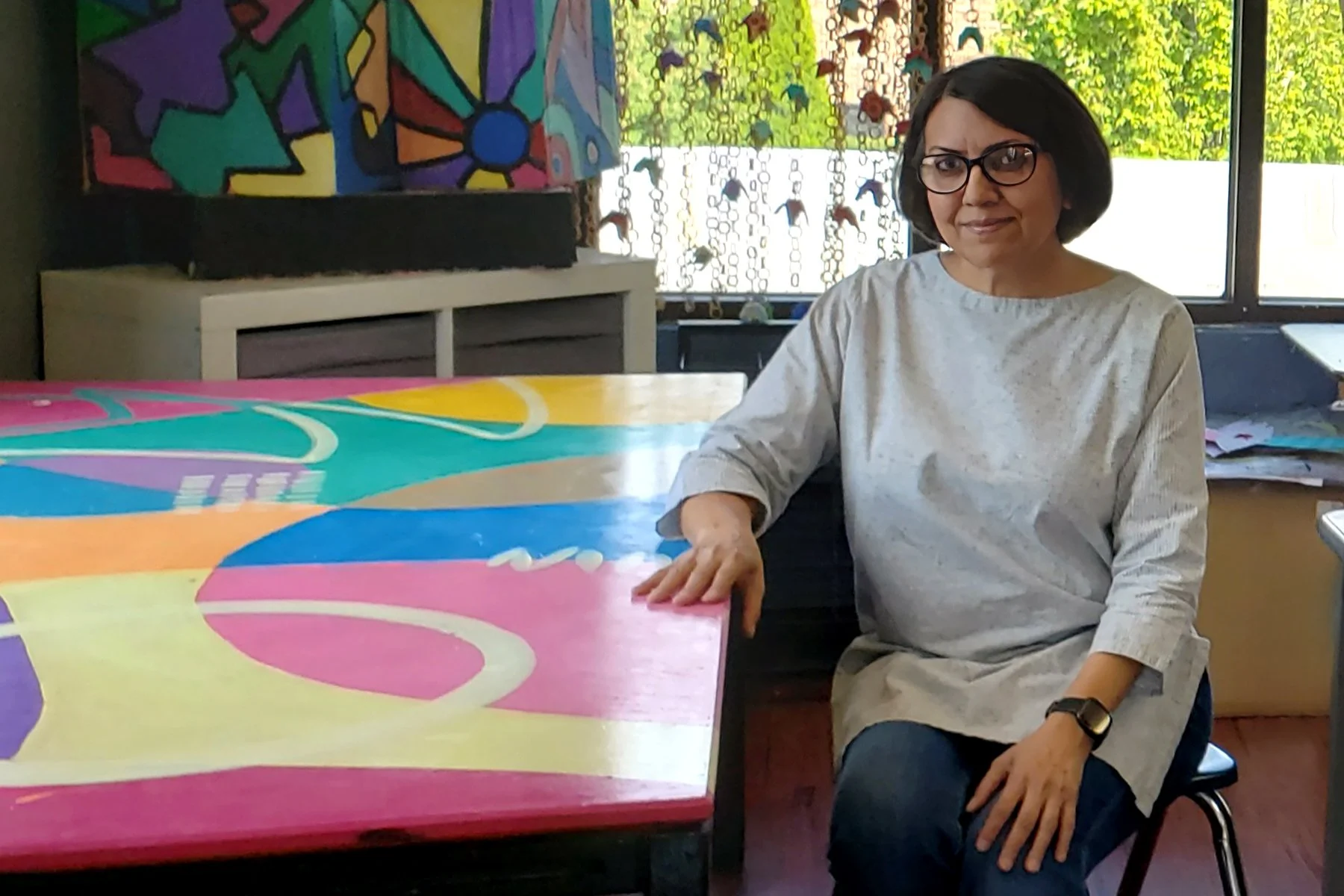
Meeta Tailor
Art Teacher
What is your background with art, and how did you get into teaching?
I’m a self-taught artist, and my love for art started with my dad. He painted as a hobby and also collected art, so I grew up surrounded by creativity. Early on I painted in a realistic style, but over time I began experimenting with non-representational work. I love expressing myself through unconventional techniques and enjoy the spontaneity of the process. Along the way, I discovered that I also enjoy teaching art, espeically to children. A connection with a family from MANH is eventually what led me here. What began as a personal passion gradually grew into a teaching career that now feels like a natural extension of my journey as an artist.
What do you enjoy most about teaching at MANH?
What I love most is the freedom I’ve been given to design my classes. That freedom allows me to be creative and to shape projects that not only align with Montessori philosophy but also meet the needs of children at every stage of development. I enjoy the challenge of keeping students curious and engaged, and of helping them see beauty in unexpected places. I want them to develop an appreciation for both traditional and contemporary art, and to experience the joy that comes from creating something with their own hands. Watching their eagerness as they take on each new challenge fills me with so much joy. Their excitement fuels mine, and it’s a privilege to be part of their artistic growth.
What kinds of art activities can students look forward to this fall?
This fall we’re exploring textile art. We’ve already begun working on a Japanese star mandala, which has been a wonderful way to introduce both patience and precision. Next, we’ll move into a weaving project, which gives students a chance to experiment with texture and design. After that, I plan to bring in sewing. We’ll start with simple projects on the sewing machine, like creating different styles of bags, and then move into hand-sewing felt puppets. Each step builds on the last, giving students a variety of ways to experience art while developing practical skills they can carry with them.